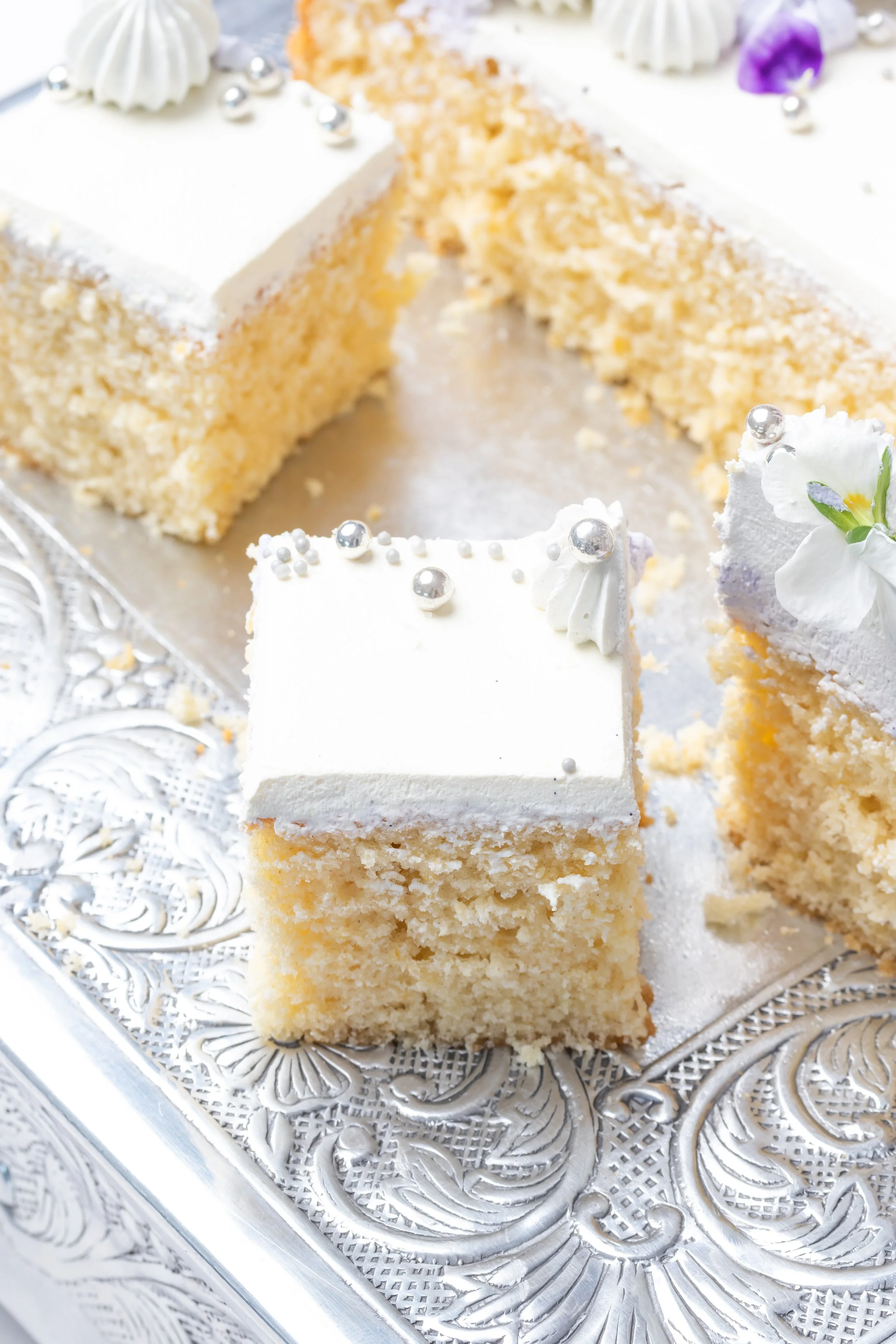
Vanilla Sheet Cake
A feather-light vanilla cake with silky Swiss meringue buttercream. Light the candles, cut the cake, it’s time to celebrate!
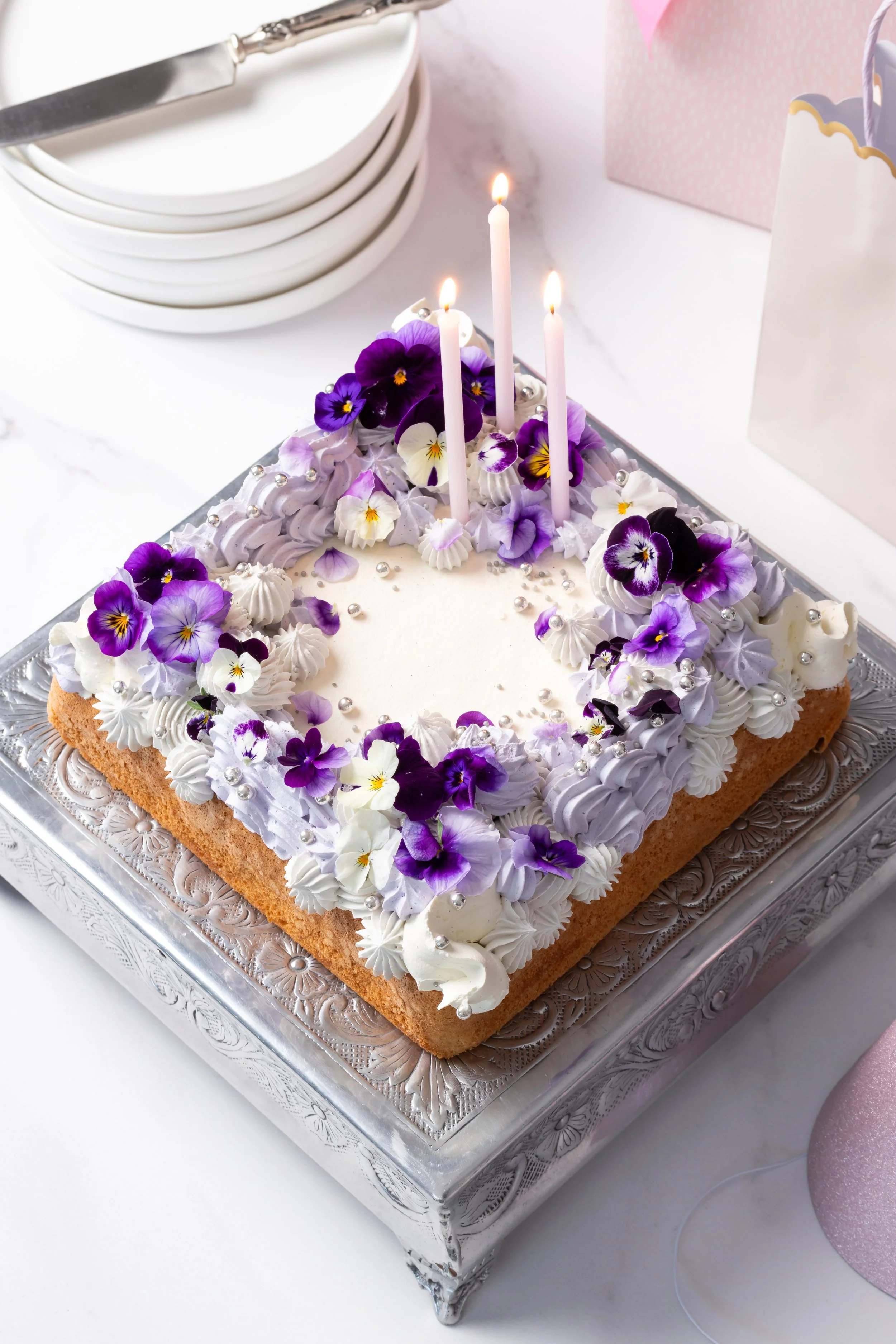
The addition of cornflour in the cake batter makes for a soft, fluffy cake. Apart from separating the eggs, this recipe is fairly easy and very versatile - a great sponge cake for lamingtons or to use in trifle (if that’s your thing). If you don’t have self-raising flour, use plain/cake/all-purpose flour with baking powder instead (2 teaspoons/10ml baking powder for every 1 cup/150g of flour). See the how-to: Alana Smith (@alanasmithsweetphotography) • Instagram photos and videos
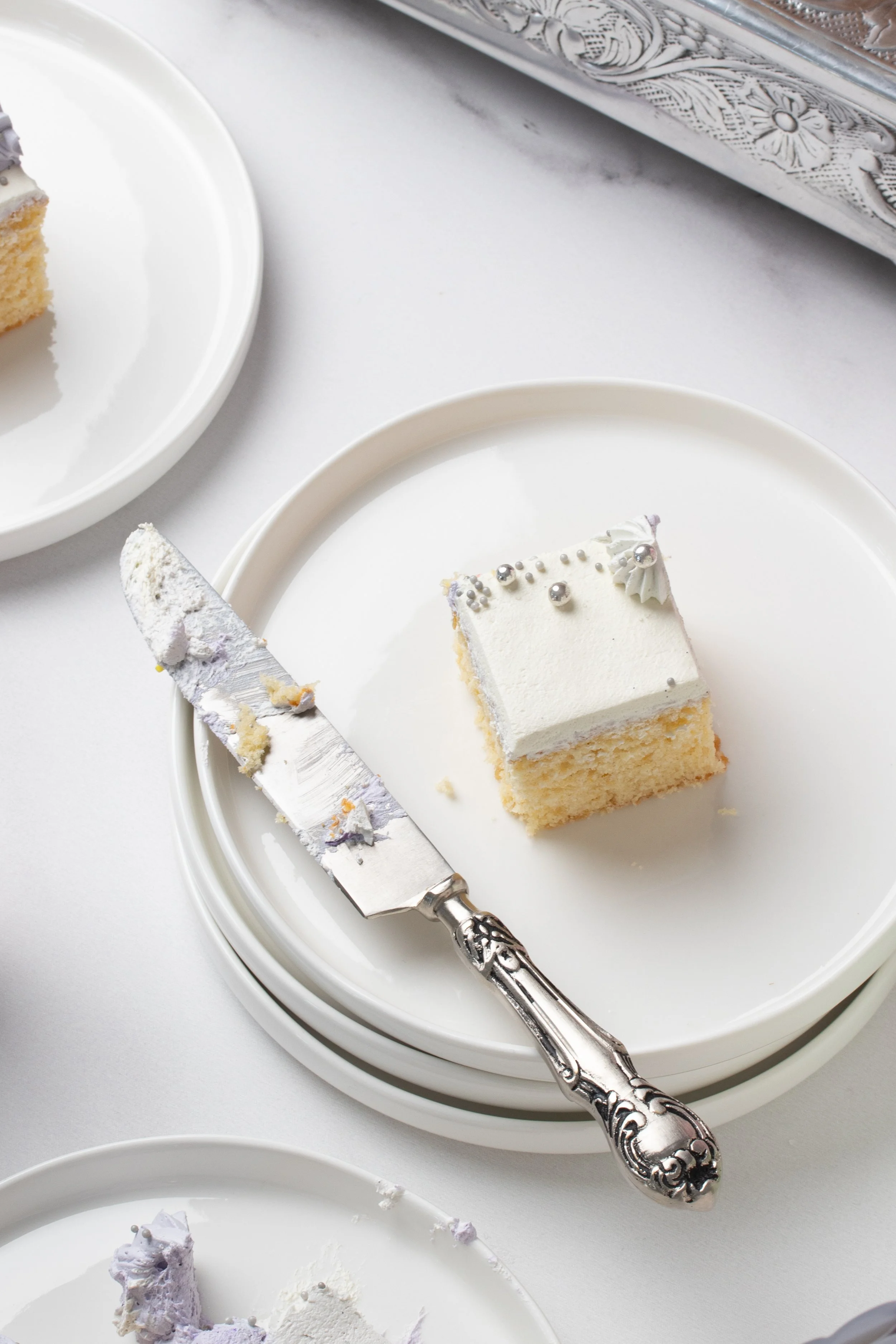
Enough for a 20cm square cake (16 squares, 32 small child size portions)
VANILLA SPONGE CAKE BATTER
eggs, 3
cold water, 60ml (1/4 cup)
oil, 60ml (1/4 cup) - a neutral flavour oil works well (such as a light olive oil or grapeseed oil)
vanilla extract or paste, 15ml (1 tablespoon)
caster sugar, 200g (250ml or 1 cup)
self-raising flour, 150g (250ml or 1 cup)
cornflour, 50g (80ml or 1/3 cup)
VANILLA SWISS MERINGUE BUTTERCREAM
egg whites, 3
caster sugar, 150g (180ml or 3/4 cup)
icing sugar, 165g (250ml or 1 cup)
unsalted butter, 200g - at room temperature or softened
fine salt, 1.25ml (1/4 teaspoon)
vanilla extract or paste, 15ml (1 tablespoon)
To start, preheat the oven to 180°C (160°C fan) and line with baking paper (or grease well) a 20cm square cake tin.
Separate the eggs, placing the yolks in a large mixing bowl and the whites in another clean, dry mixing bowl (or the bowl of a free-standing mixer).
To the egg yolks, add all the wet ingredients as well as the caster sugar, then whisk until uniform.
Add the self-raising flour and cornflour and whisk until uniform.
Beat the egg whites on a high speed until stiff peaks.
Fold the beaten egg whites into the batter mixture using a large metal spoon or spatula (at first just a little to loosen the mixture, then gently fold in the rest).
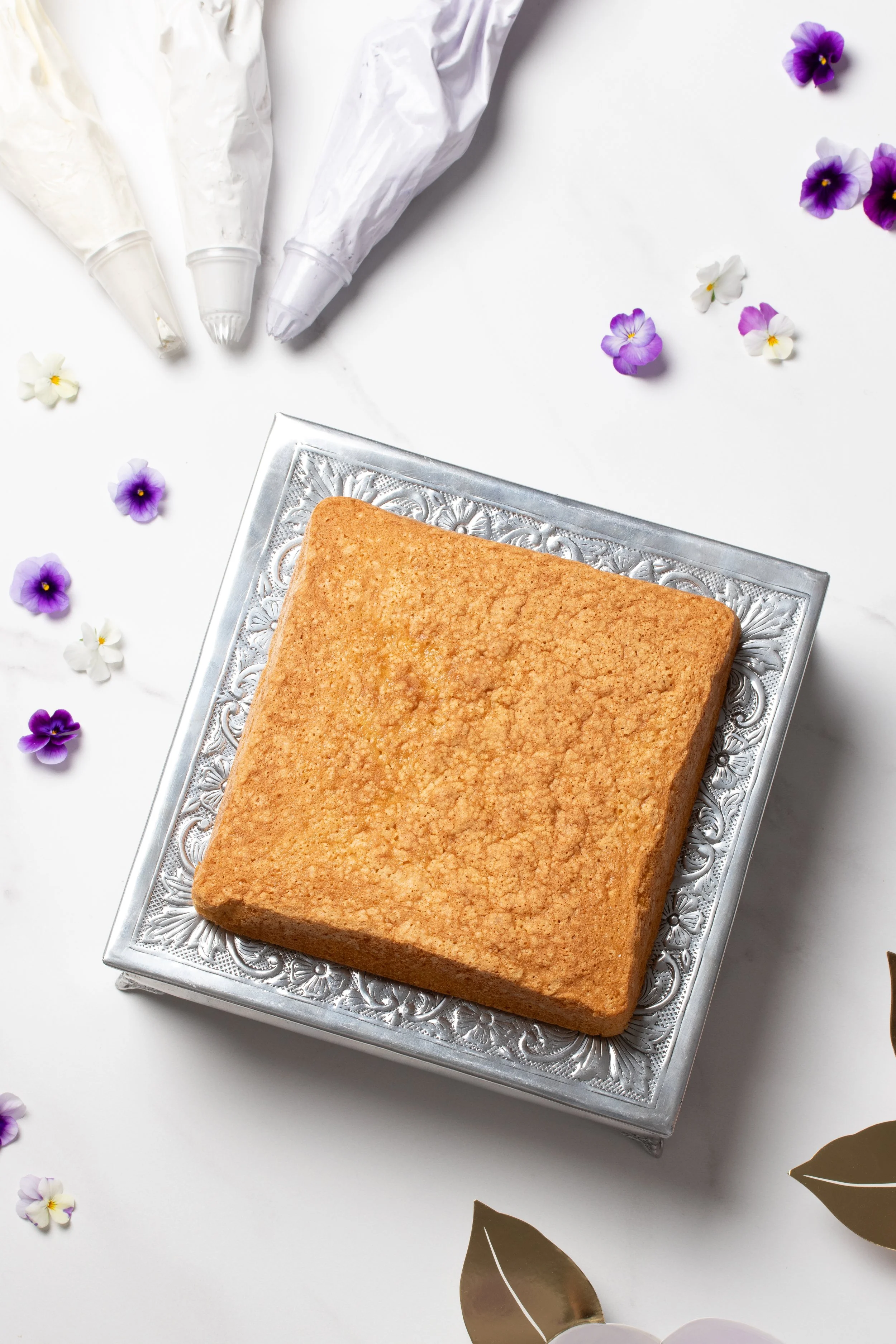
Pour the batter into the tin and bake until golden and a skewer inserted into the middle comes out clean (approximately 30 minutes but will depend on your oven - be careful not to overbake the sponge).
Once baked, remove the tin from the oven and leave the sponge (in the tin) to cool for 10 minutes or so before turning out onto a cooling rack or cake plate to cool completely (cover with a clean tea towel to prevent moisture from evaporating).
To make the Swiss meringue buttercream, place the egg whites and caster sugar in a large heat proof mixing bowl (I use a stainless-steel free-standing mixer bowl). Set it over a medium saucepan of simmering water (making sure the surface of the water does not touch the bowl).
Whisk by hand for a few minutes until the sugar has dissolved (you can test this by rubbing a bit of the mixture between your fingers - when ready, is should feel smooth) and the mixture feels warm to touch (about 65°C - 70°C on a thermometer if you are unsure).
Note: You are not trying to whip the meringue at this stage but instead you just want to dissolve the sugar and cook the egg whites gently.
Remove from the heat and whisk on a high speed with electric beaters or an electric mixer until the meringue is stiff and glossy.
Add the icing sugar and beat until uniform (slow at first to prevent being engulfed by a cloud of icing sugar).
If the meringue still feels very warm, slow the mixer to a medium speed and whisk for a few minutes until the mixing bowl is cooler to touch (i.e. the meringue reaches room temperature).
Add the soft, room temperature butter and whisk on a high speed until smooth and glossy (at least 2 - 3 minutes).
Once the buttercream is smooth, add the salt and vanilla and mix until uniform.
(If after several minutes of mixing the mixture seems split, the butter might be too cold - warm the mixing bowl gently using a bain-marie then whisk again on a high speed. If the buttercream looks very runny, the butter or the meringue might be too warm - cool the mixing bowl for a few minutes in the fridge, then whisk again on high).
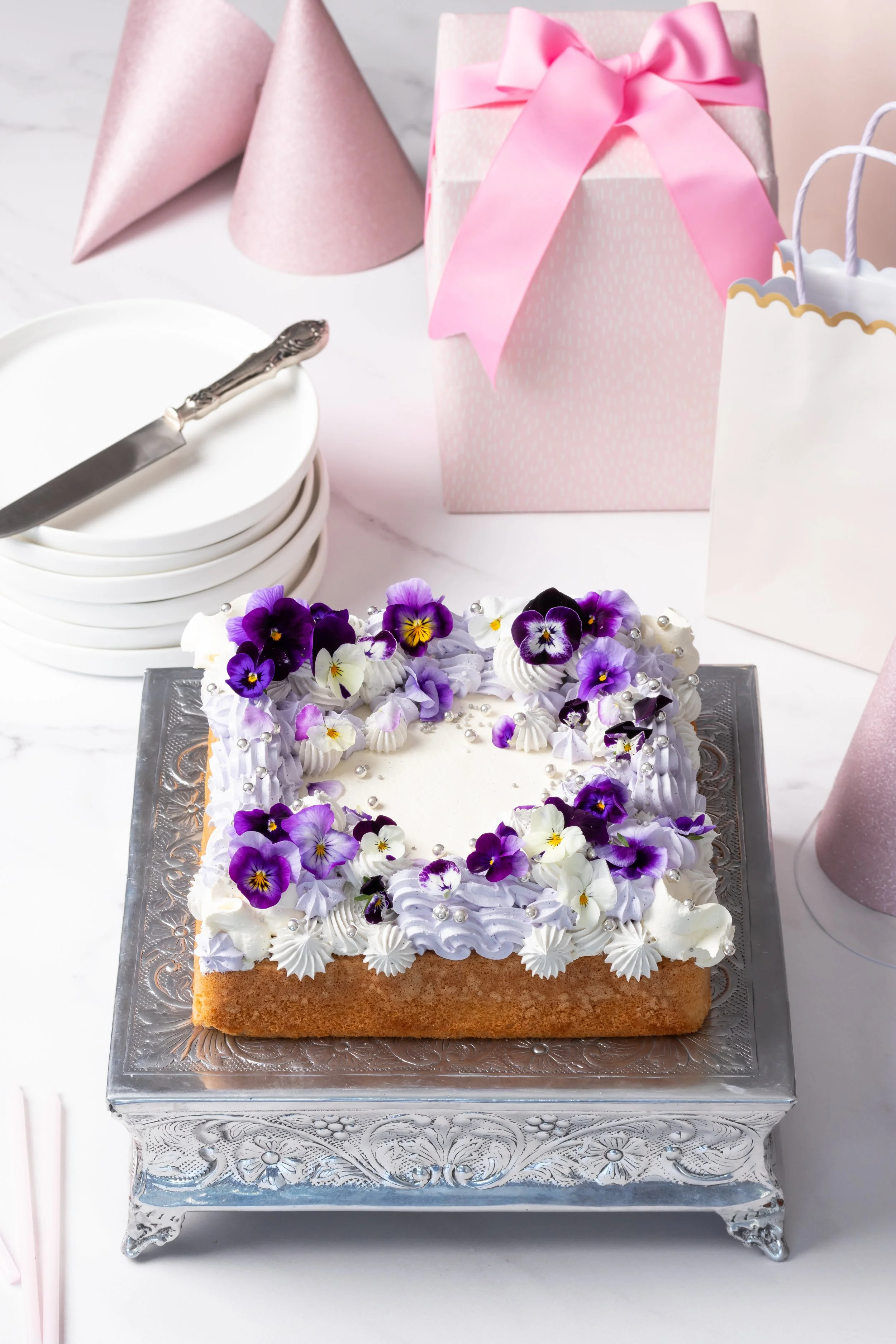
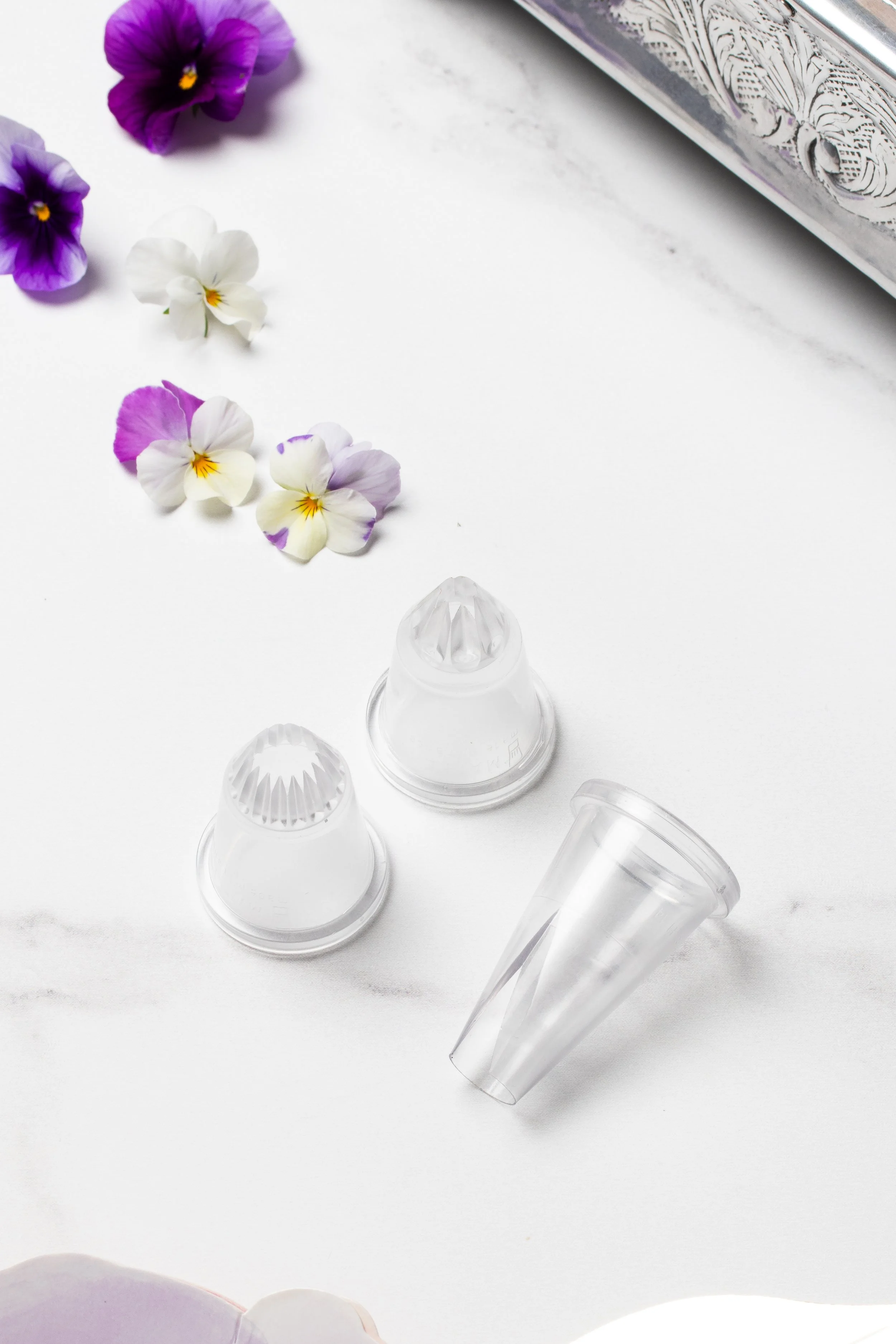
To decorate, spread or pipe the buttercream over the top of the cake once completely cool (you can add drops of food colouring or an icing whitener to the buttercream if you wish) before adding sprinkles and/or edible flowers.
Store in an air-tight container (to prevent drying out).
Leftover cake and buttercream can be frozen for up to three months.