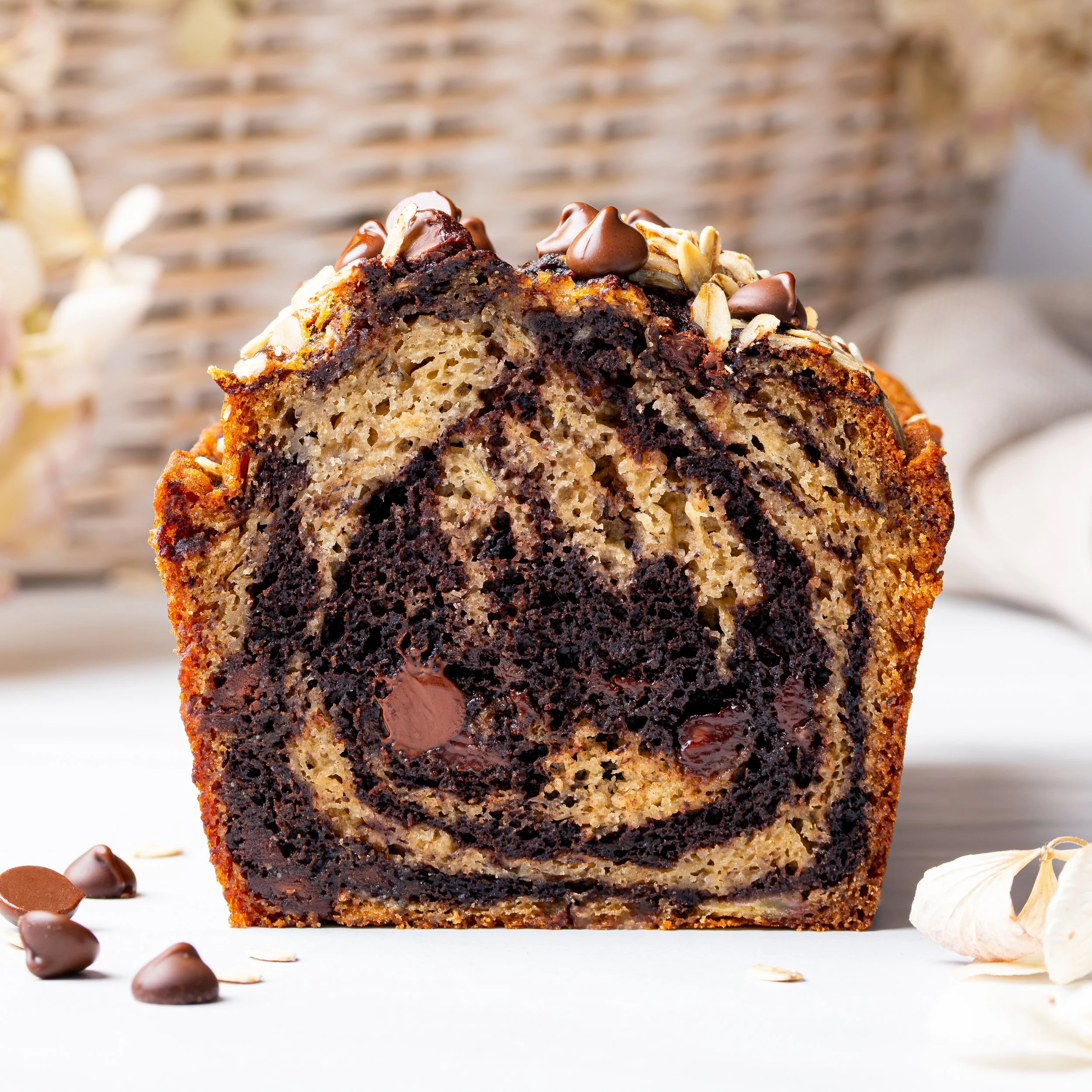
Spinach & Feta Wreath Bread
A beautiful and delicious addition to a Christmas table. My family absolutely loves it.

RECIPE NOTES: You might think the first step to making the dough is absolutely bonkers but making a ‘yudane’ bread improver is really worth it (and it is not much extra work or dishes) - it helps achieve a soft, fluffy texture and makes the baked bread keep fresher for longer. Do not be tempted to add extra flour even if the dough feels really sticky at first (otherwise the bread may be dry once baked). You can check whether the dough is elastic enough by doing the ‘windowpane test’ by taking a small portion of dough and stretch it into a square with your fingers. The dough should stick together and appear almost transparent, like a window. If the dough breaks very quickly, the gluten strands are too weak and more kneading is needed.

Enough for one large wreath shaped bread - about 20 slices
BREAD IMPROVER
flour (high grade/bread), 50g (80ml or 1/3 cup)
boiling water, 50g (50ml - just under 1/4 cup)
MAIN DOUGH INGREDIENTS
butter (unsalted), 50g
milk (full fat), 250g (250ml or 1 cup)
instant dry yeast, 8g (10ml or 2 teaspoons)
egg, 1
flour (high grade/bread), 450g (750ml or 3 cups)
sugar (caster), 50g (60ml or 1/4 cup)
salt (fine), 5ml (1 teaspoon)
SPINACH & FETA FILLING
spinach, 250g fresh or 150g steamed/blanched/defrosted from frozen (about 1 cup, excess moisture having been squeezed out)
feta cheese, 100g
Cheddar/Edam cheese, 50g (about 1/2 cup grated cheese)
EGG WASH
egg, 1

1. Start by making the bread improver by placing the first measurement of flour (50g or 1/3 cup) in a medium heatproof bowl then add the boiling water - stir using a spoon to combine (it will be a stiff dough mixture). Set aside until needed.
2. For the main dough, place the butter (roughly chopped, to make it melt faster) and milk in a medium heatproof bowl (or saucepan) and heat in the microwave (or on the stove) until the butter has melted and the mixture feels warm. You want this mixture warm but not hot (or it will kill the yeast - if it feels really hot, leave it for a bit to cool to a warm temperature - around 30 - 40°C if you have a thermometer).
3. Place the yeast in a large mixing bowl (I use a free-standing mixer for ease, but it is not essential if you don’t mind getting your hands dirty and have strong arms for kneading).
4. Add the lukewarm butter and milk mixture followed by the egg then stir a little with a spoon or whisk.
5. Add the bread improver.
6. Add the flour, caster sugar and salt on top.
7. Mix together using a free-standing electric mixer fitted with a dough hook (on a slow speed, setting 2 using a KitchenAid mixer) or by hand for about 10 - 15 minutes until the mixture comes together in a sticky dough.
8. Once the dough feels elastic (and a bit less sticky), remove the dough hook or place it back into a large bowl if making it by hand - a dough scraper is really useful.
9. Leave the dough to prove at room temperature (or in a warmish spot) until double in size (it takes about 2-3 hours depending on the weather).

I make the dough around 8am in the morning for the bread to be ready for lunch. For fresh bread at dinner, you can make the dough midday.
In spring and summer, I leave the dough on my kitchen bench. When it is cold in autumn and winter, I look for a warm spot in the house, or I place the bowl containing the dough in the oven that has been slightly warmed then turned off.

10. Once the dough has doubled in size, prepare the filling - chop the blanched spinach and feta and grate the Cheddar/Edam cheese.
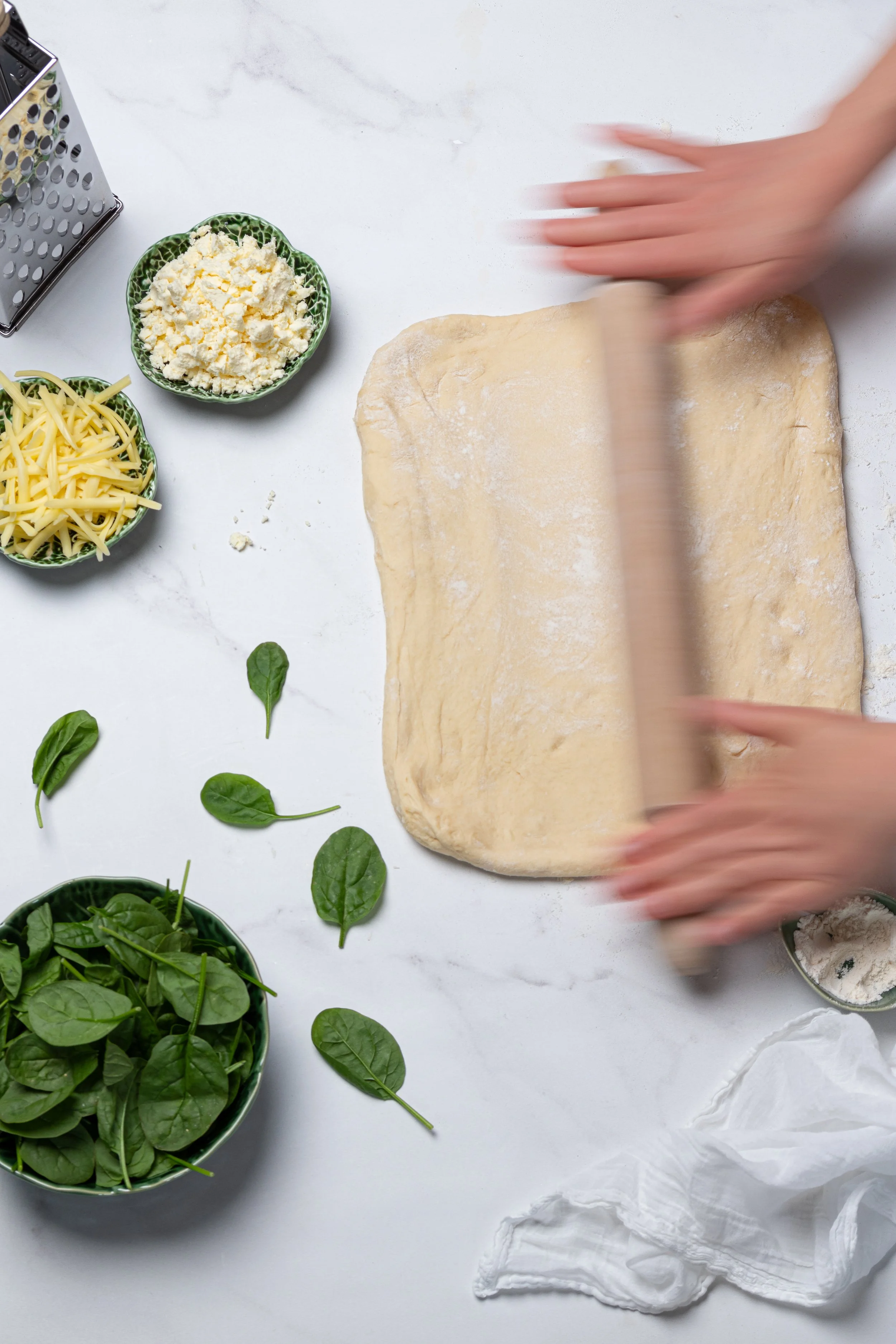
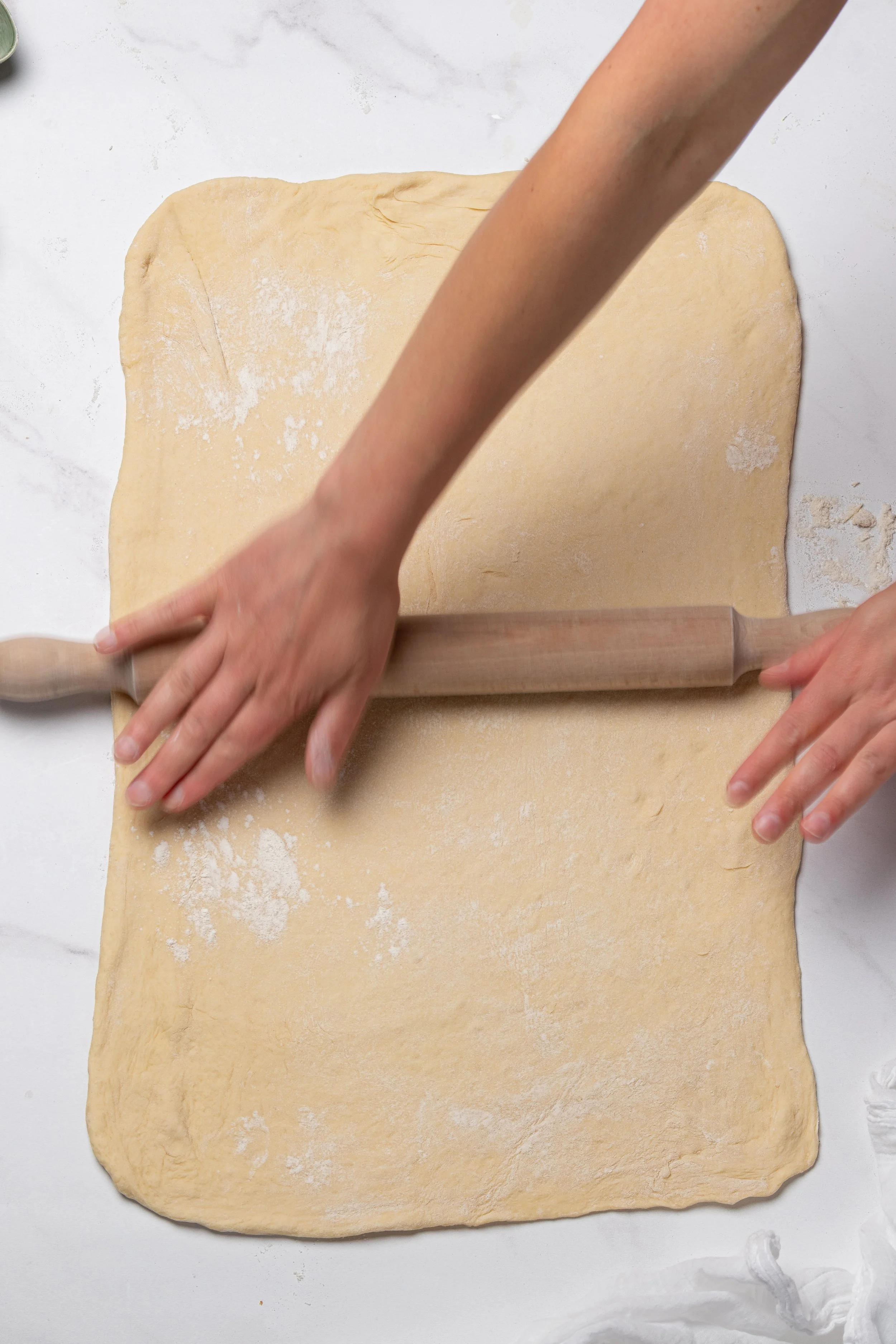
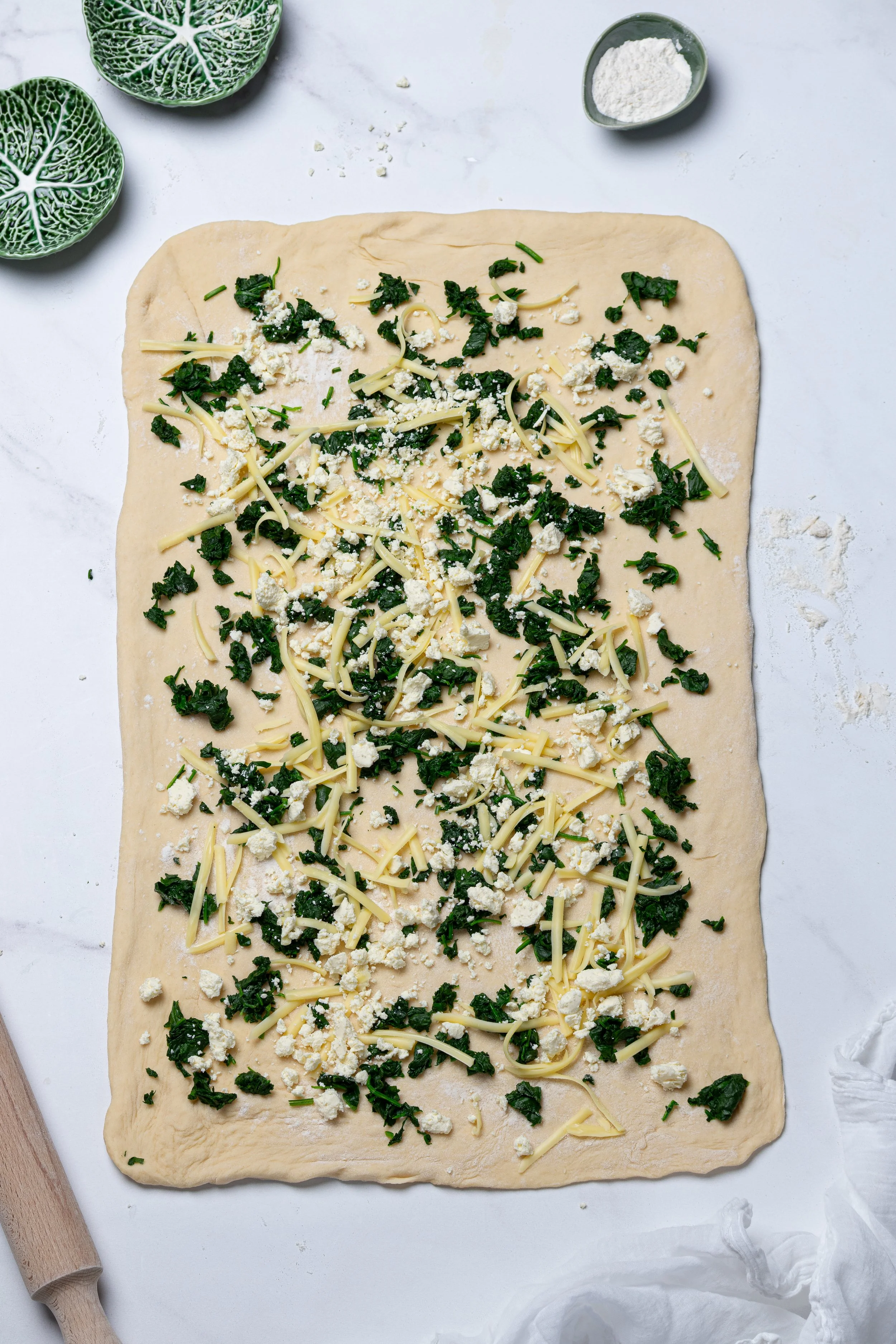
11. Turn the dough out onto a floured surface. Using a rolling pin, roll the dough out into a large rectangle.
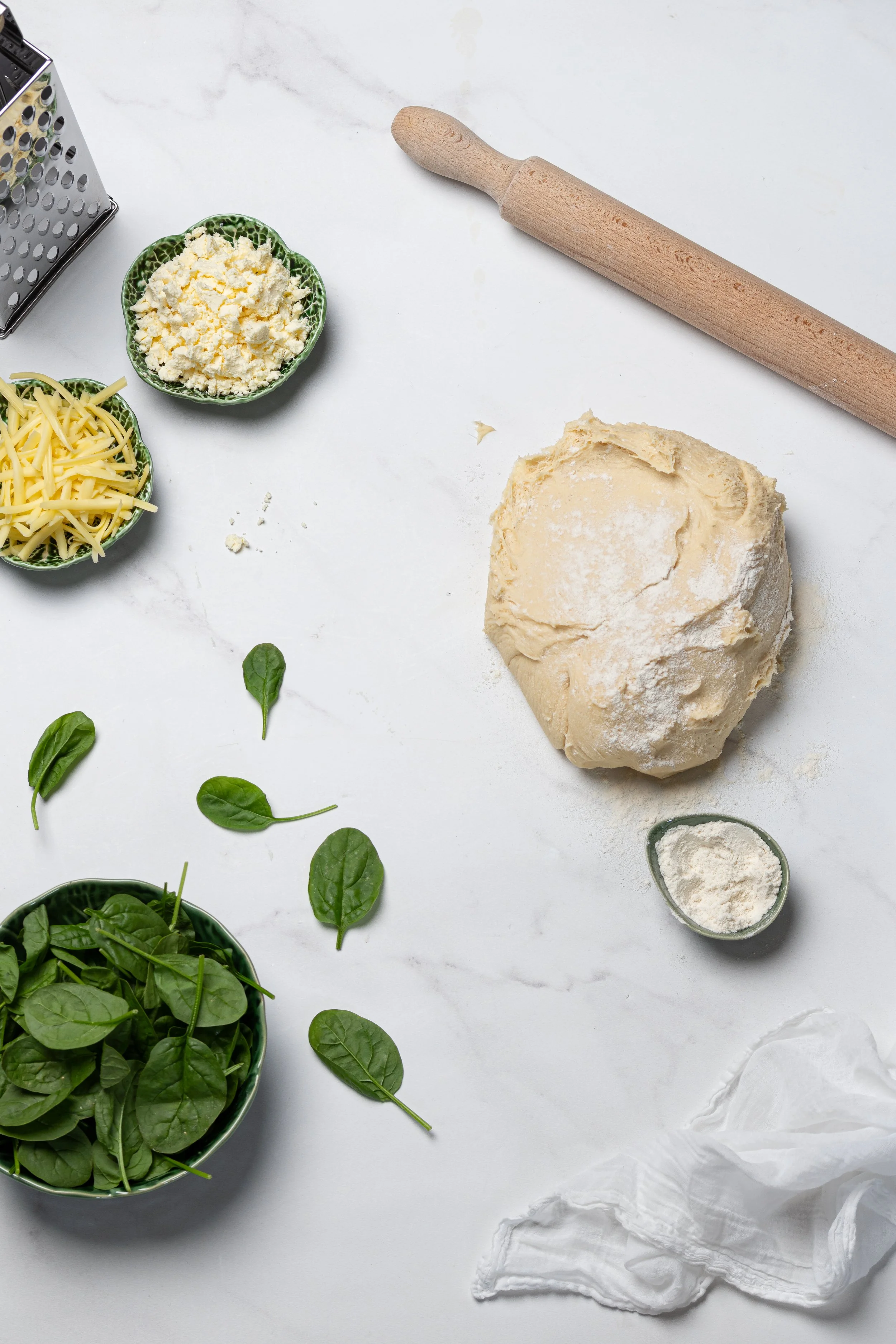
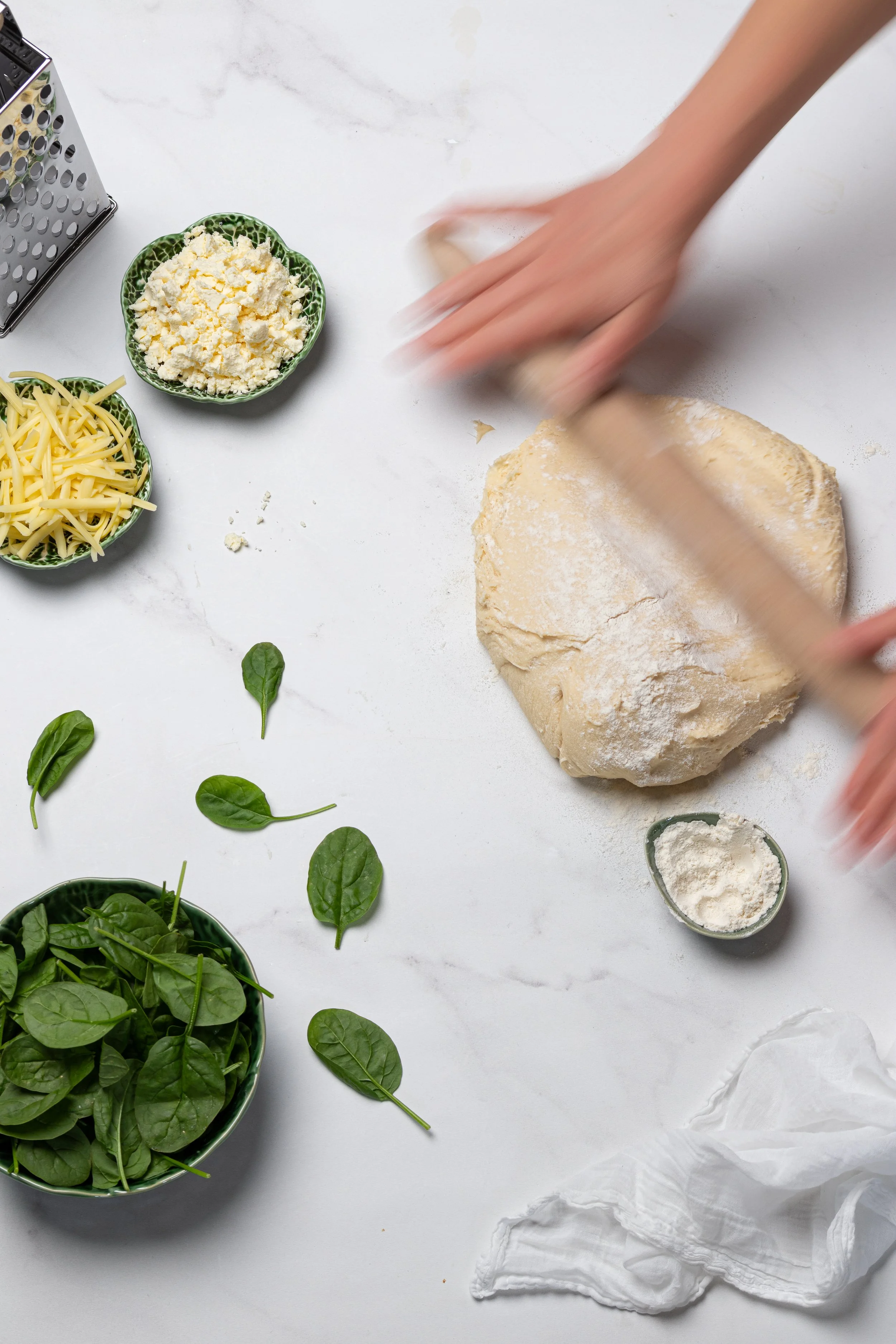
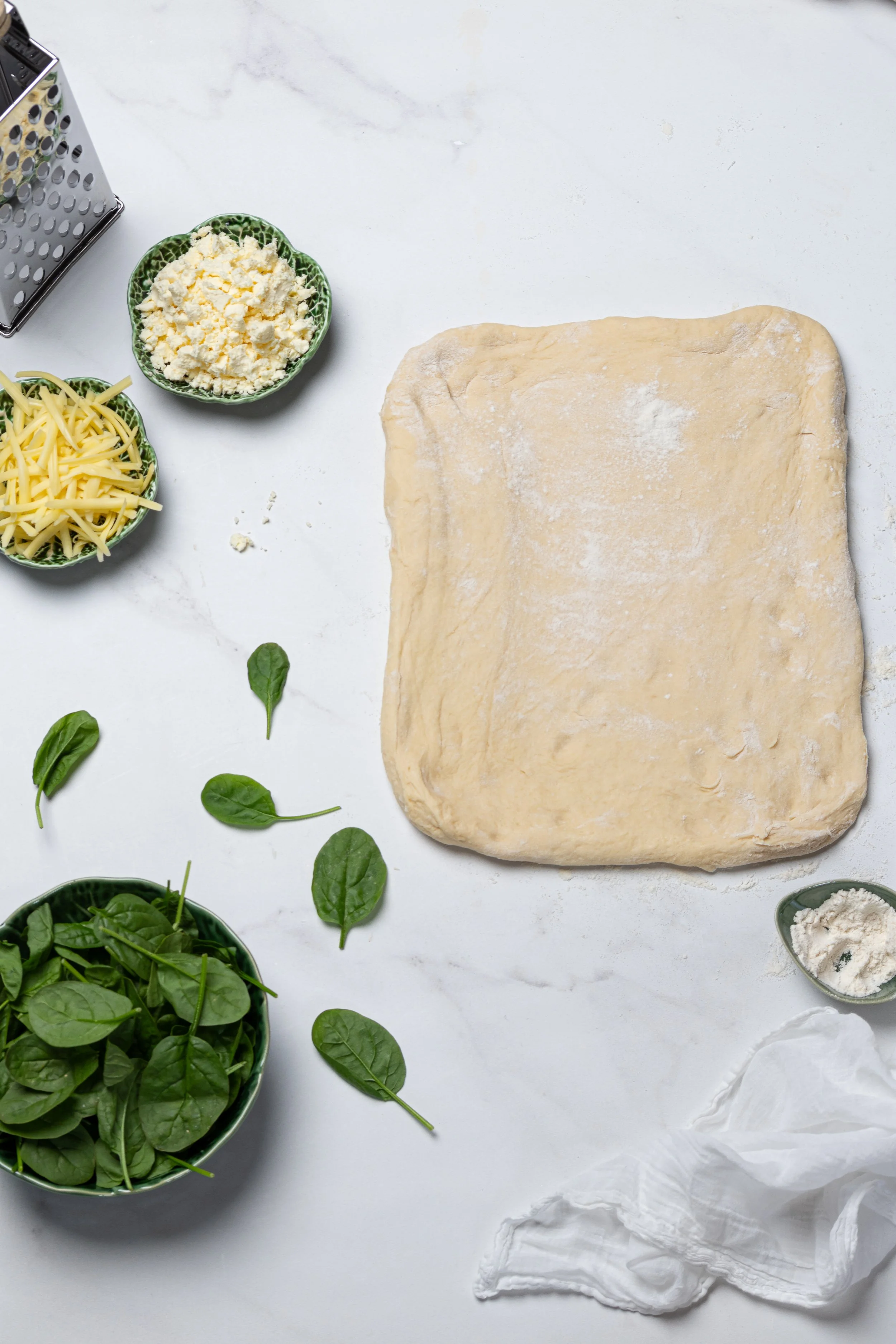
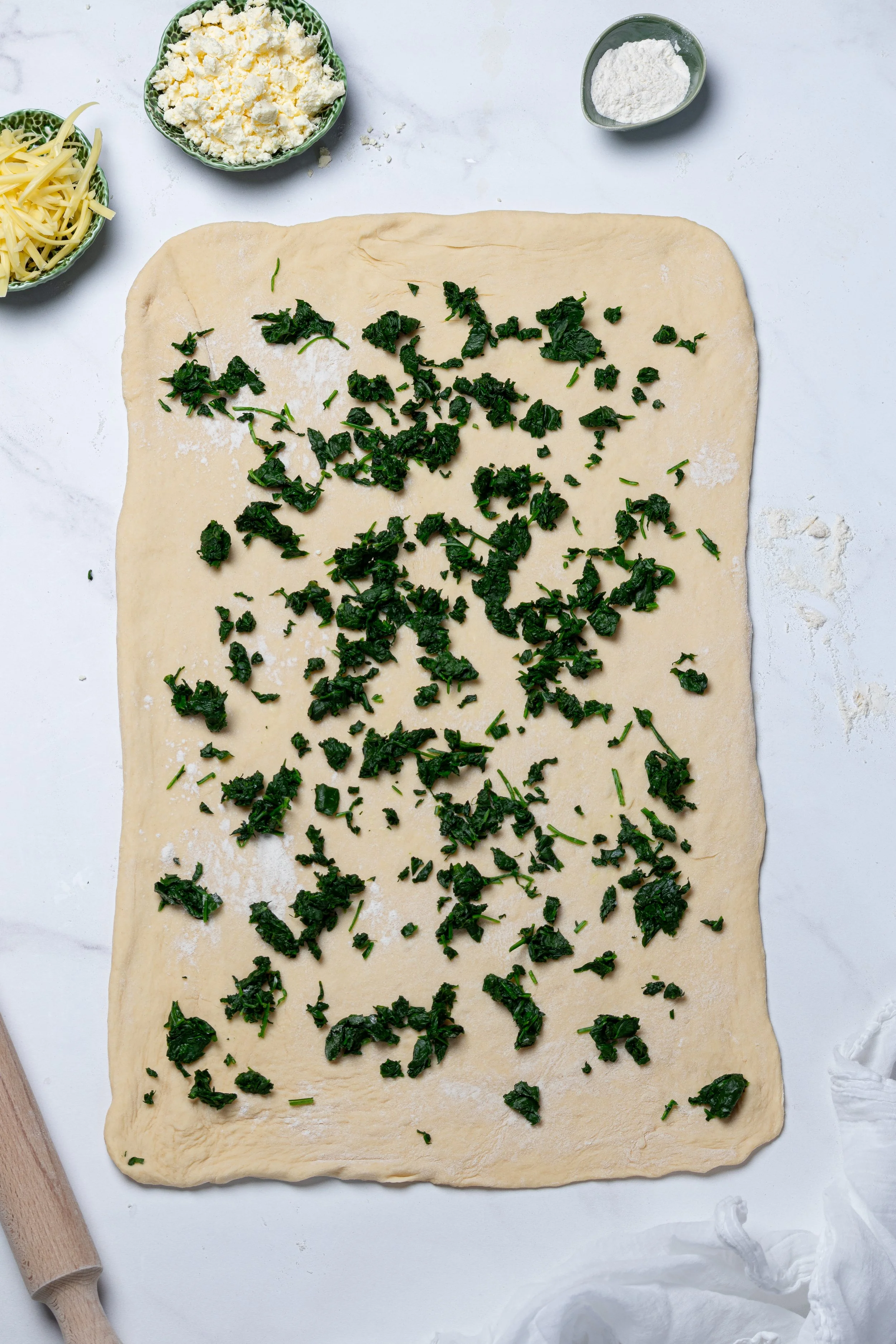
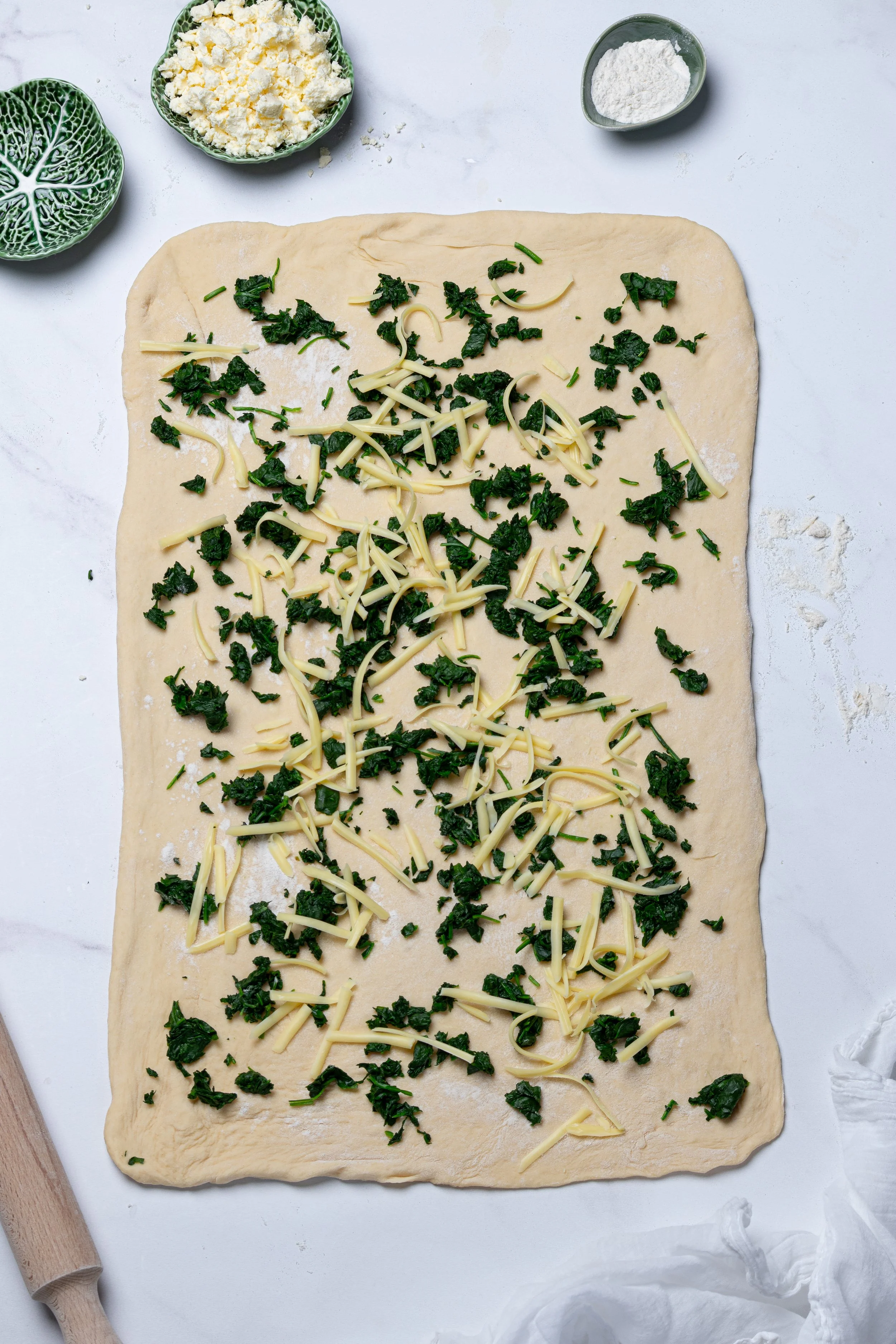
12. Sprinkle the dough rectangle with the spinach, feta and grated cheese.
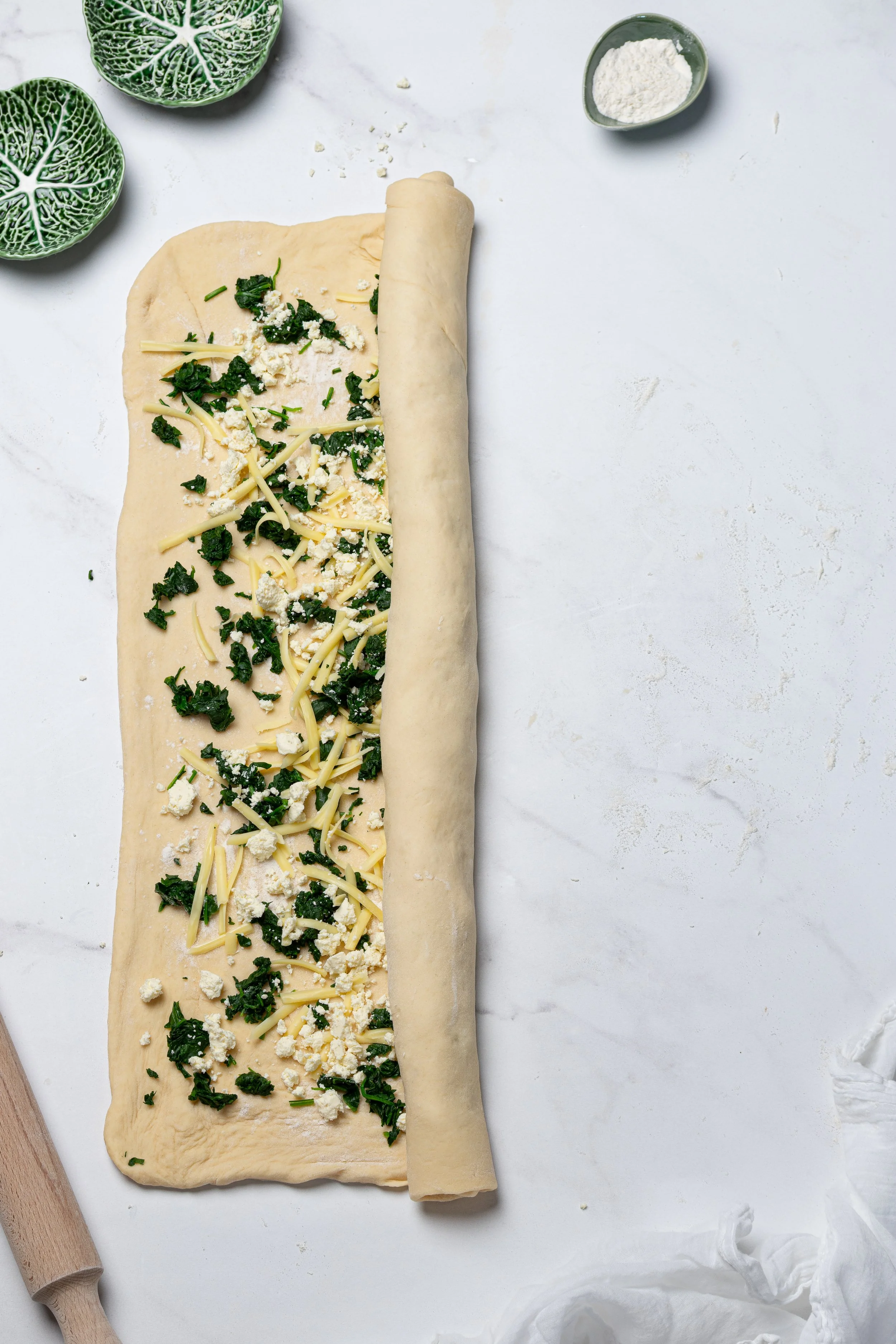
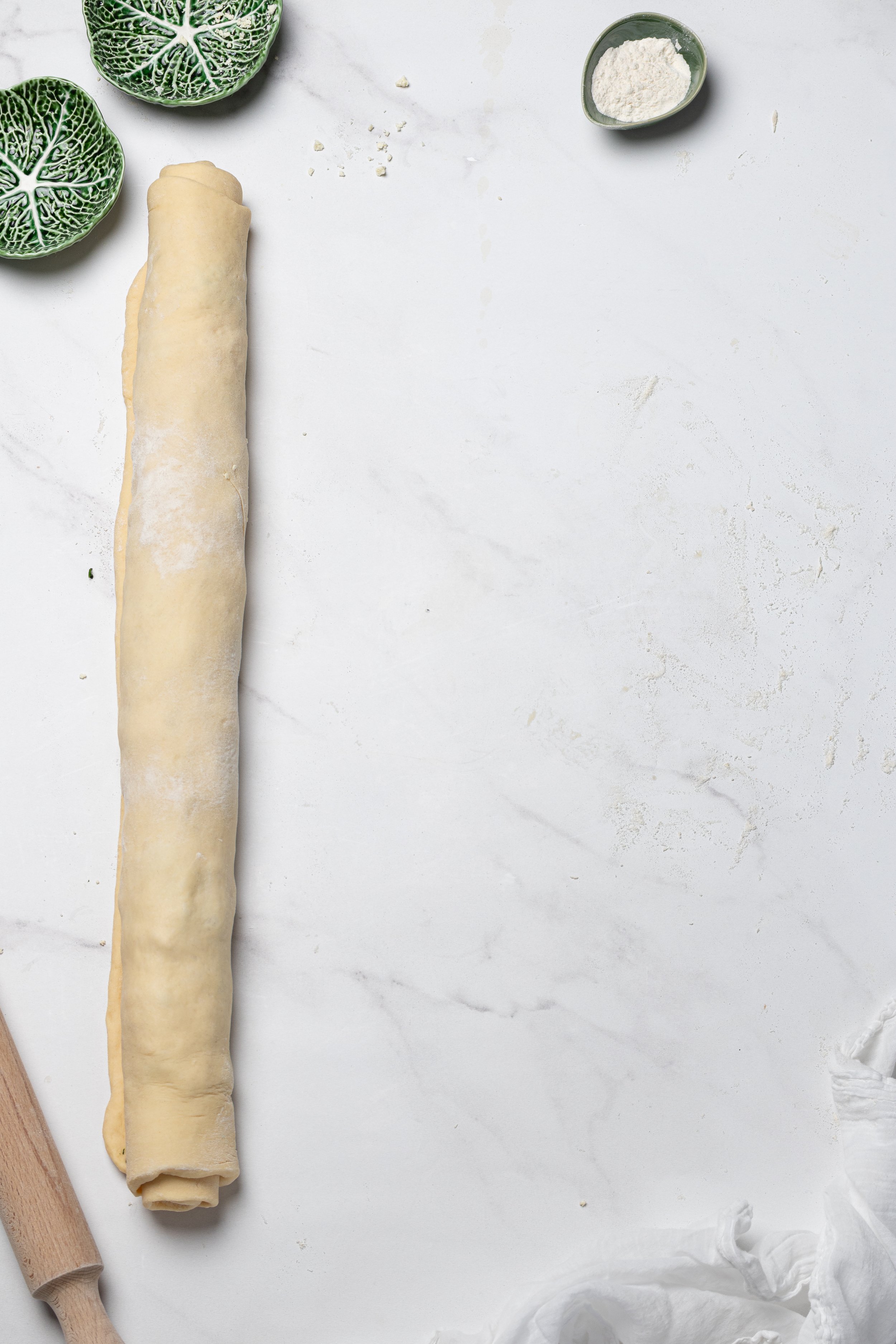
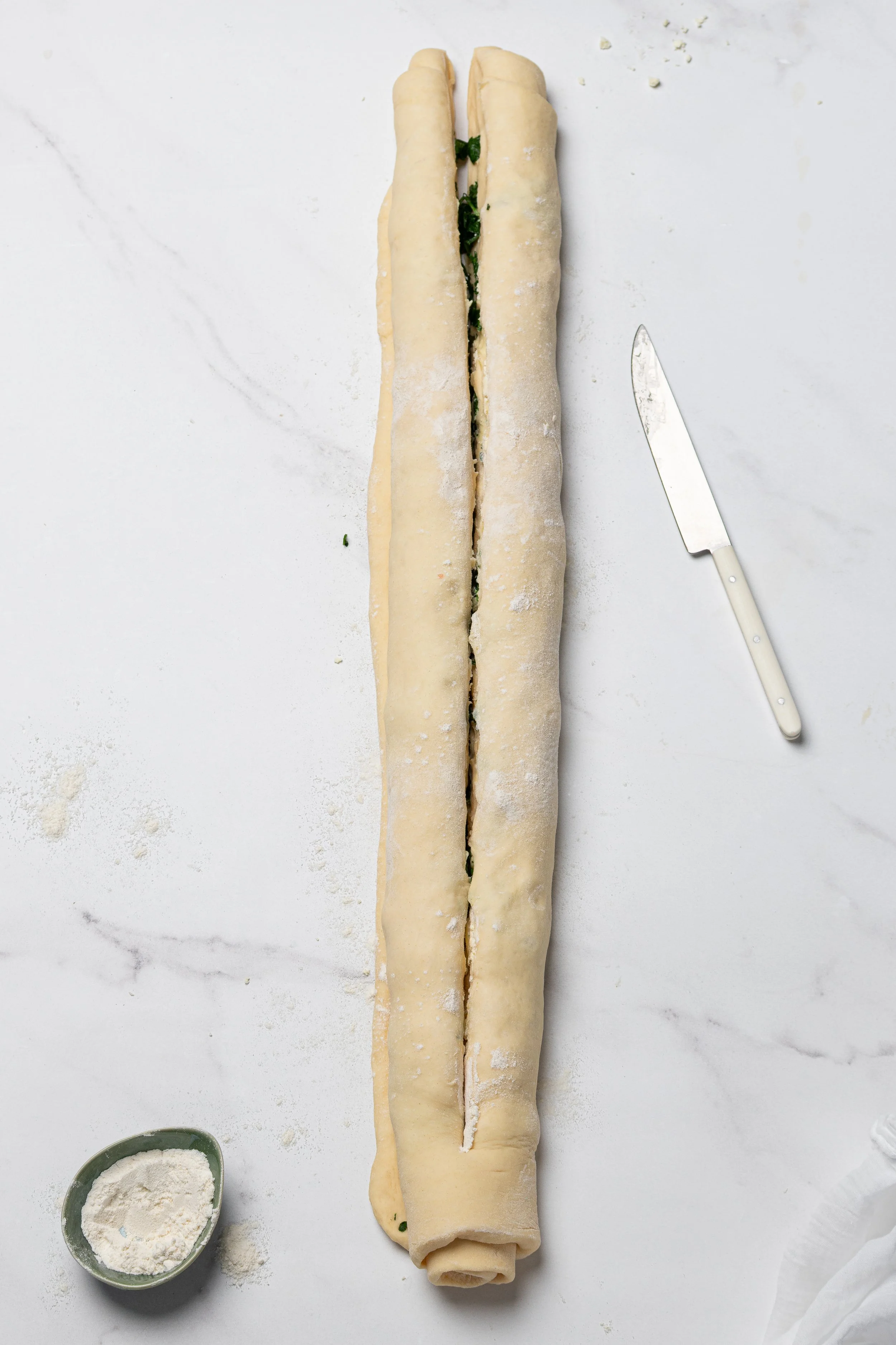
13. Starting from one of the long sides, roll the dough into a long log.
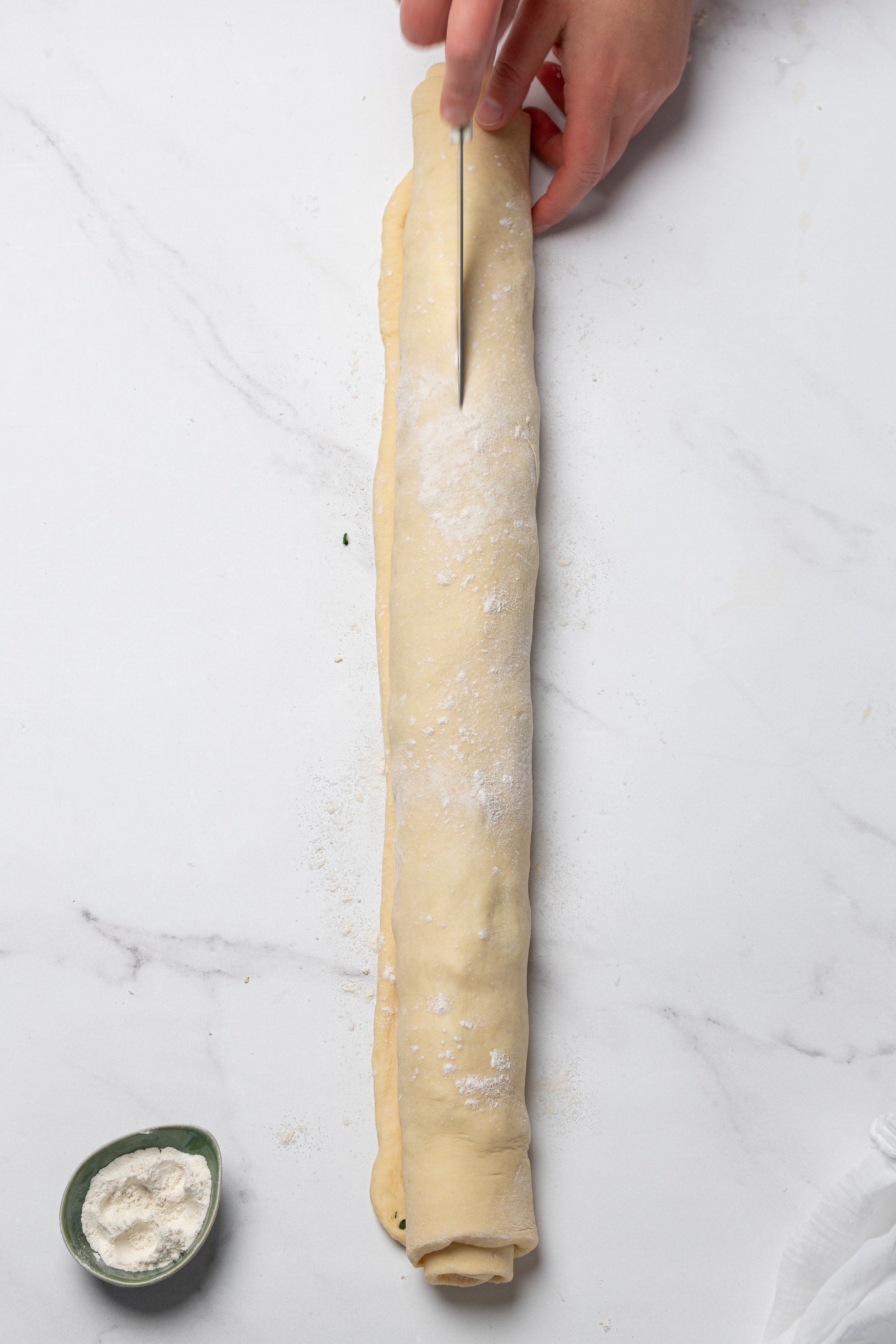
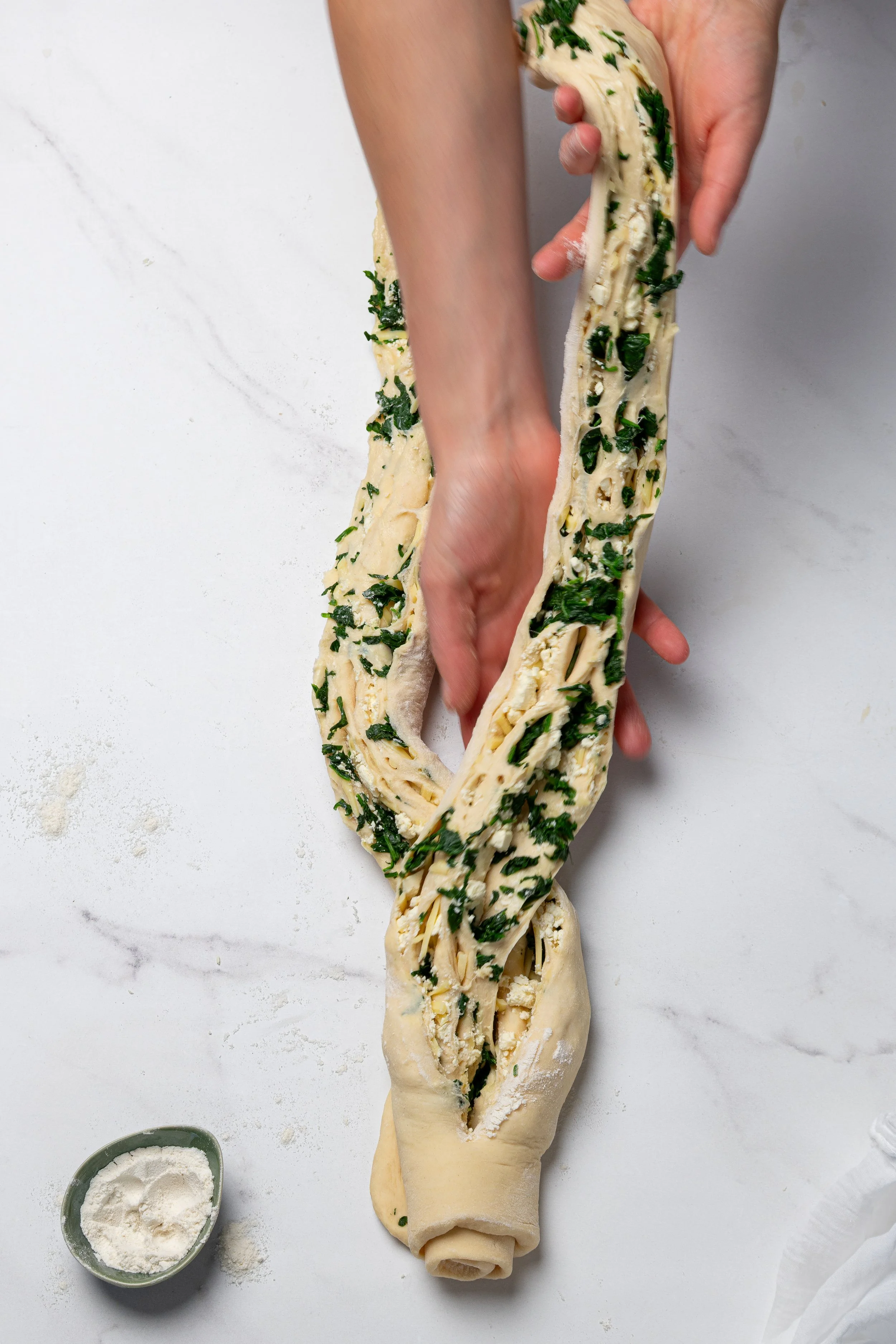
14. Cut the log in half (you can leave the end attached).
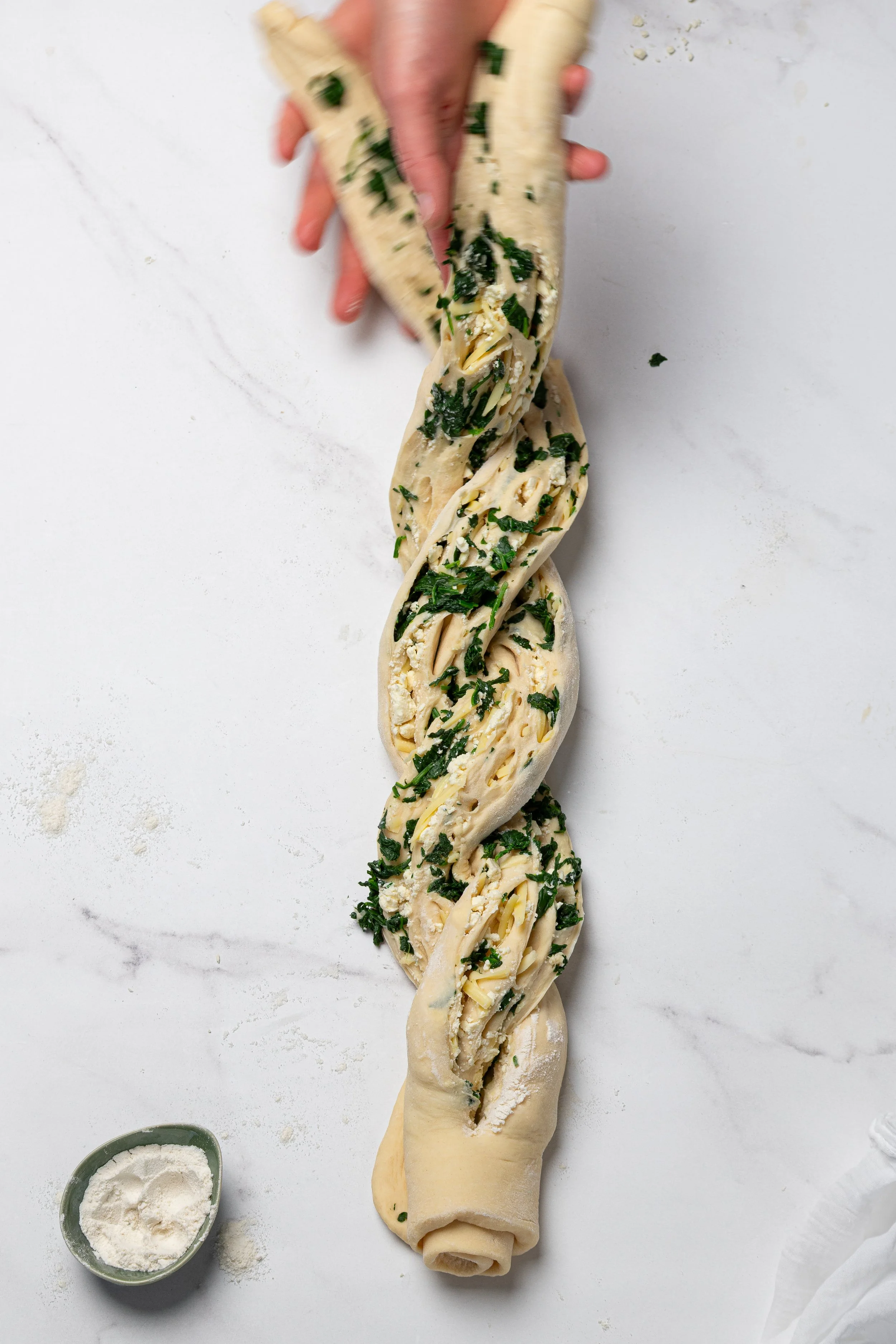
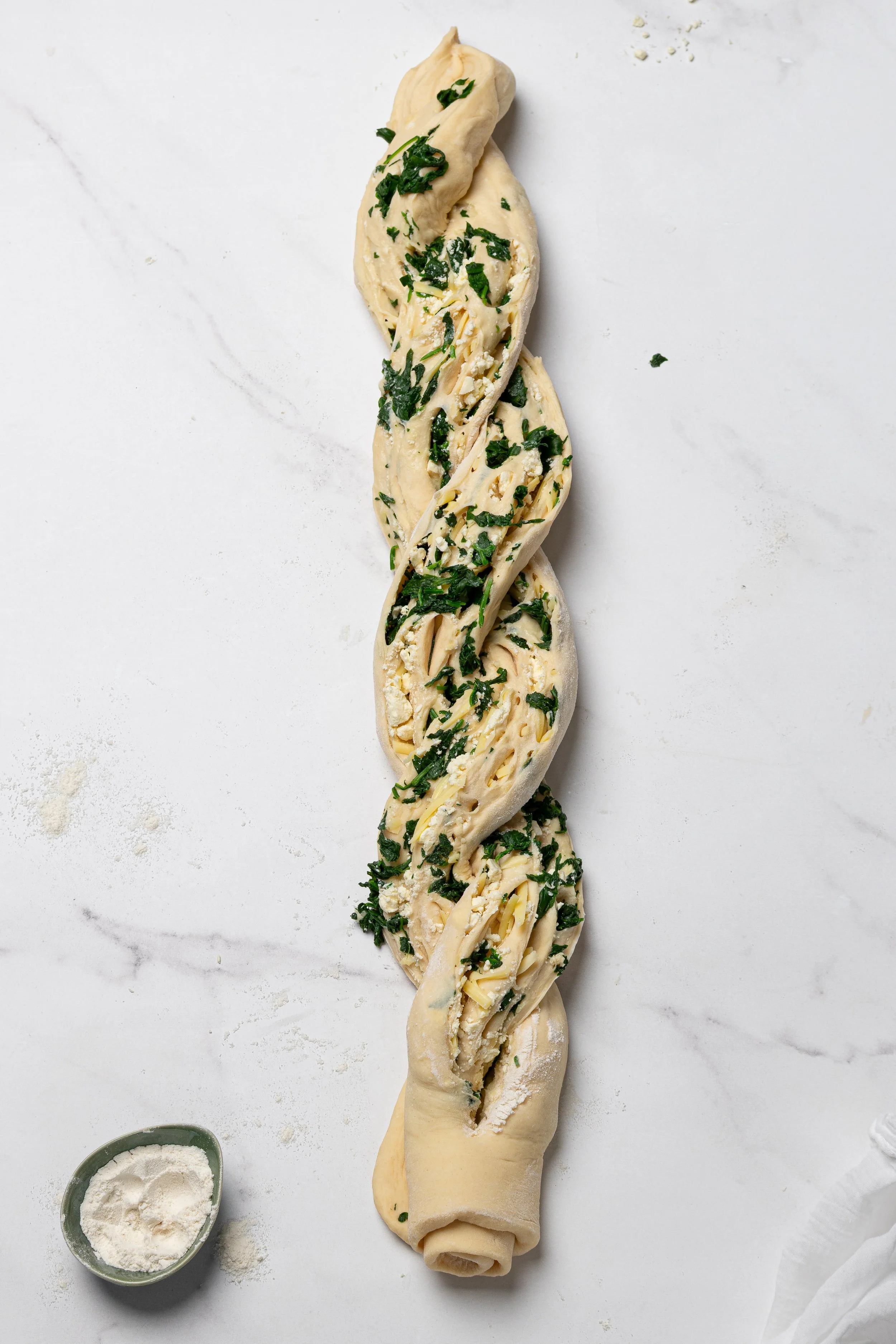
15. Cross the dough pieces to make a simple plait.
16. Line a large baking tray or a round oven pizza tray with baking paper.
17. Shape the plait into a wreath shape - you can place a small, greased ramekin or baking tin (10cm diameter) on the inside and a large cake ring on the outside of the dough wreath if you want a neat finish). Completely optional though.
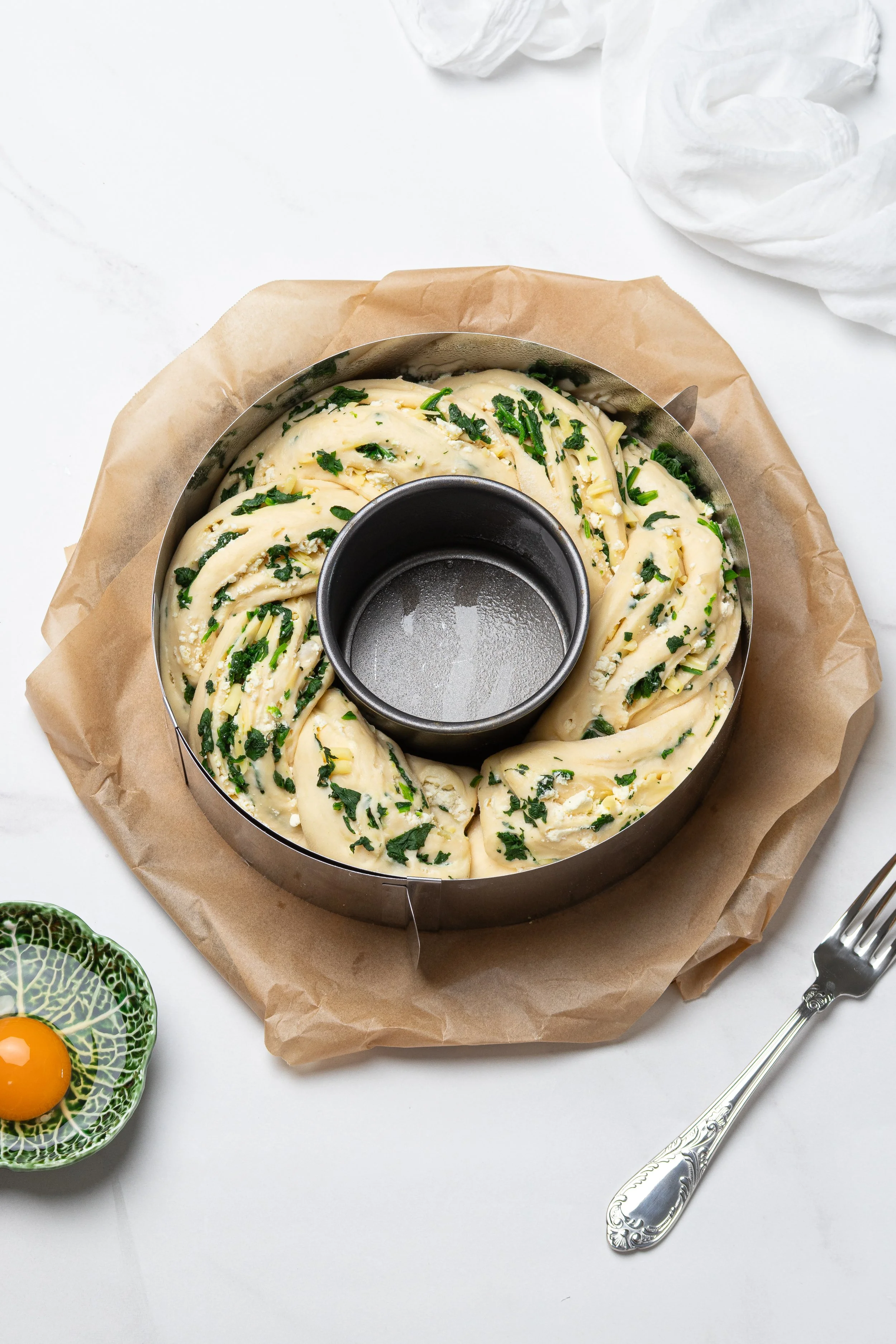
18. Leave the dough wreath in a warmish spot to prove for about 20minutes.
19. When the dough has proved, preheat the oven to 180°C (160°C fan).
20. For the egg wash, whisk the egg in a small bowl using a fork then brush the top of the dough wreath with the beaten egg.
21. Bake for about 30 minutes.
22. Carefully remove the inner tin and outside ring (if using) before baking for another 5 minutes until golden.

Decorate with a bow if you like.
Delicious served with extra crumbled feta on top, spreadable cream cheese and pesto.