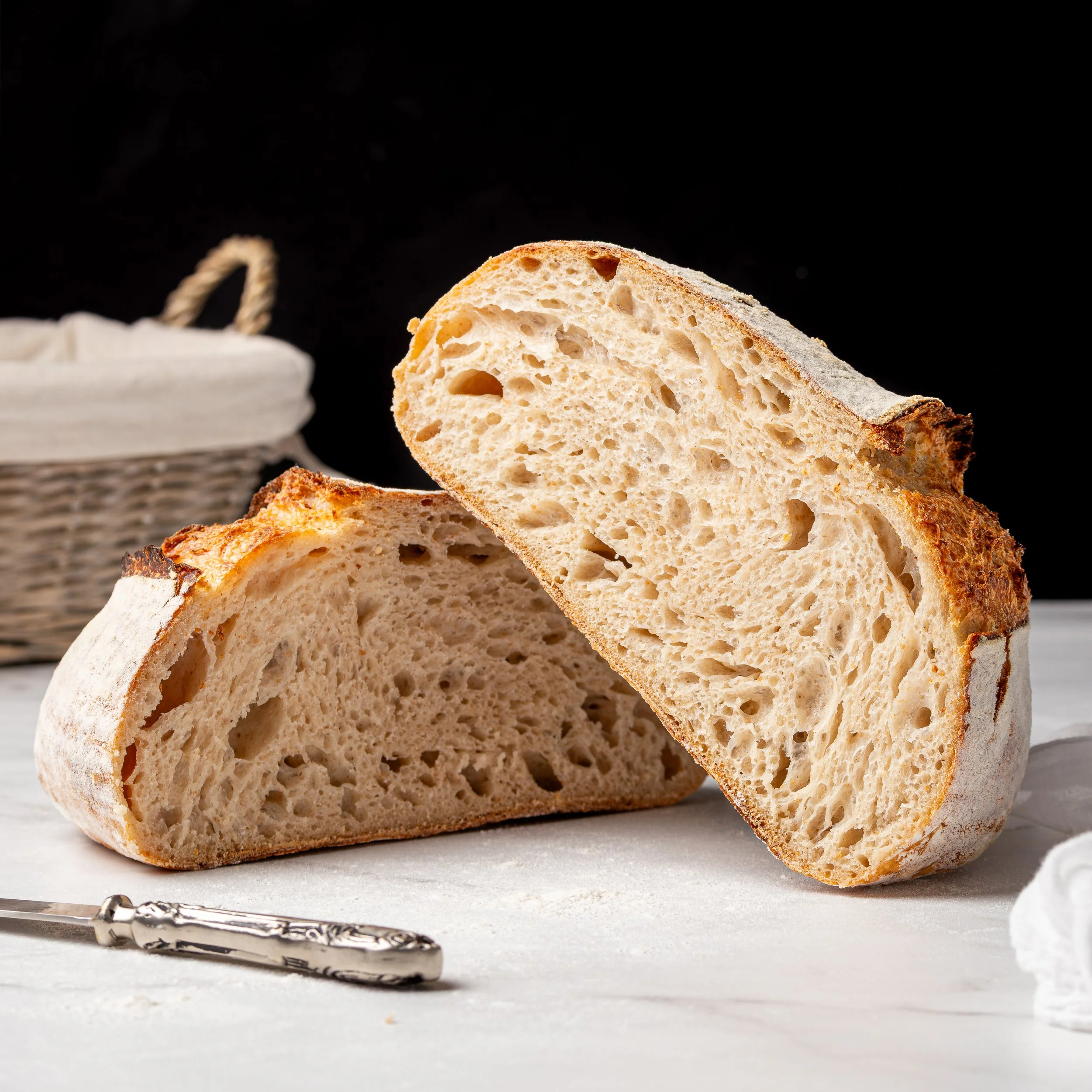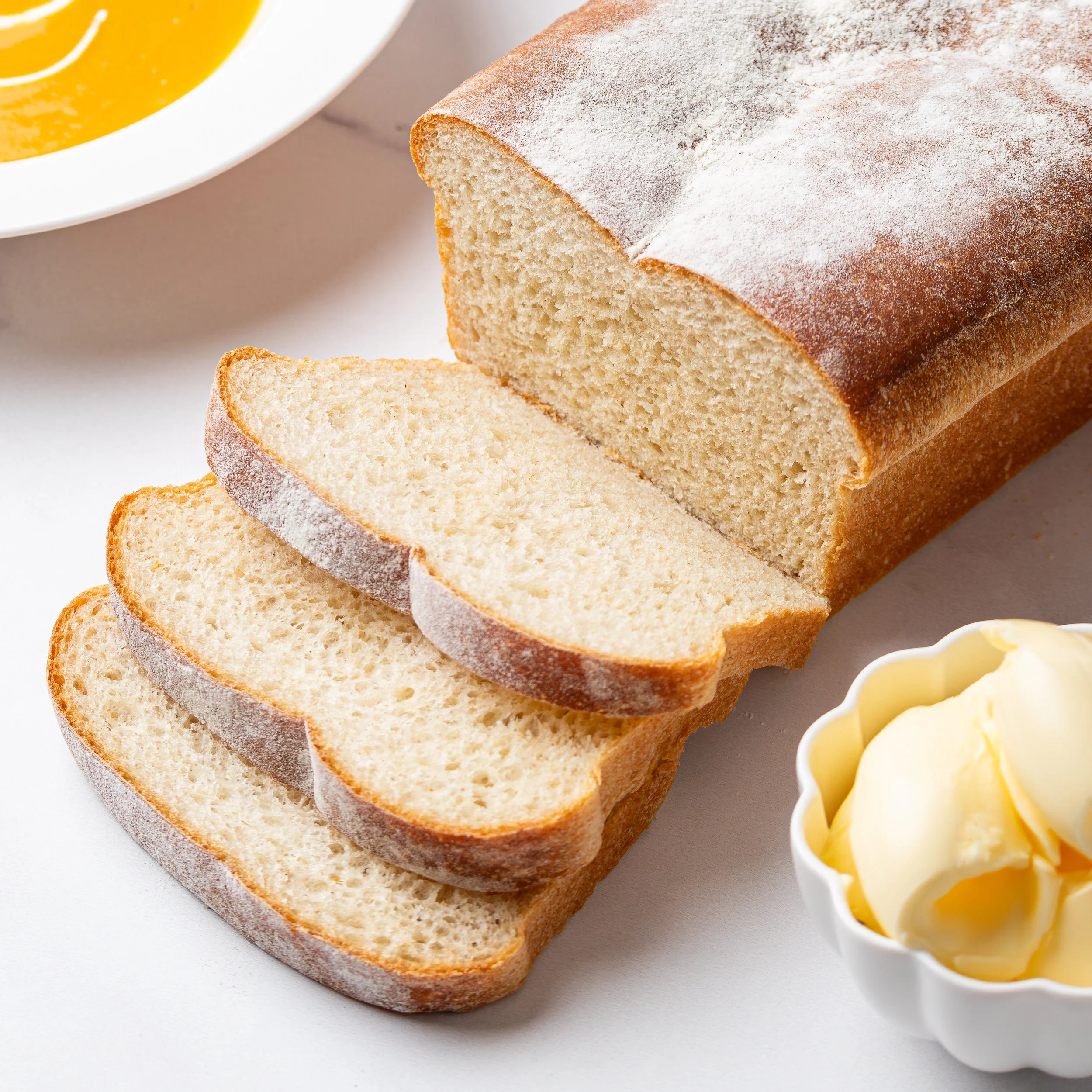
Sourdough Discard Sandwich Bread
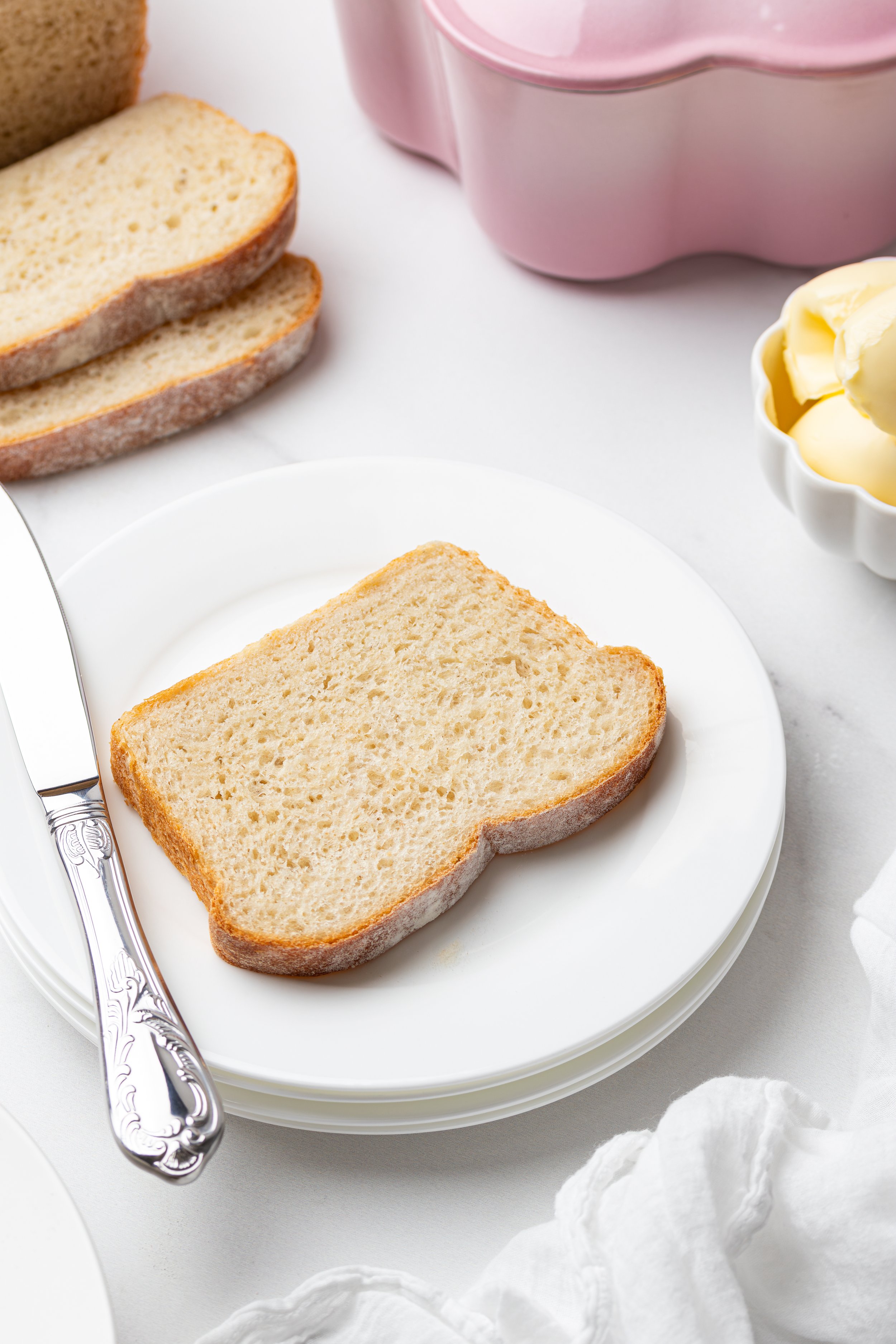
My go-to recipe for a quick and easy loaf of bread! A great way to use sourdough discard! It makes for a lovely, soft bread for lunchbox sandwiches or to enjoy with a meal of hot soup! Double yum!
RECIPE NOTES: Do not be tempted to add extra flour or water even if the dough feels really sticky or dry at first (otherwise the bread will be too wet or too dry once baked). You can check whether the dough is elastic enough by doing the ‘windowpane test’ by taking a small portion of dough and stretch it into a square with your fingers. The dough should stick together and appear almost transparent, like a window. If the dough breaks very quickly, the gluten strands are too weak and more kneading is needed.
Makes 1 loaf
DOUGH
sourdough discard, 150g (1/2 cup)
water (lukewarm, tap water), 185g (about 3/4 cup)
instant dry yeast, 8g (1 sachet)
flour (bread/high-grade), 350g (2 + 1/3 cup)
sugar (caster), 30ml (2 tablespoons)
olive oil, 30ml (2 tablespoons)
salt (fine), 2.5ml (1/2 teaspoon)
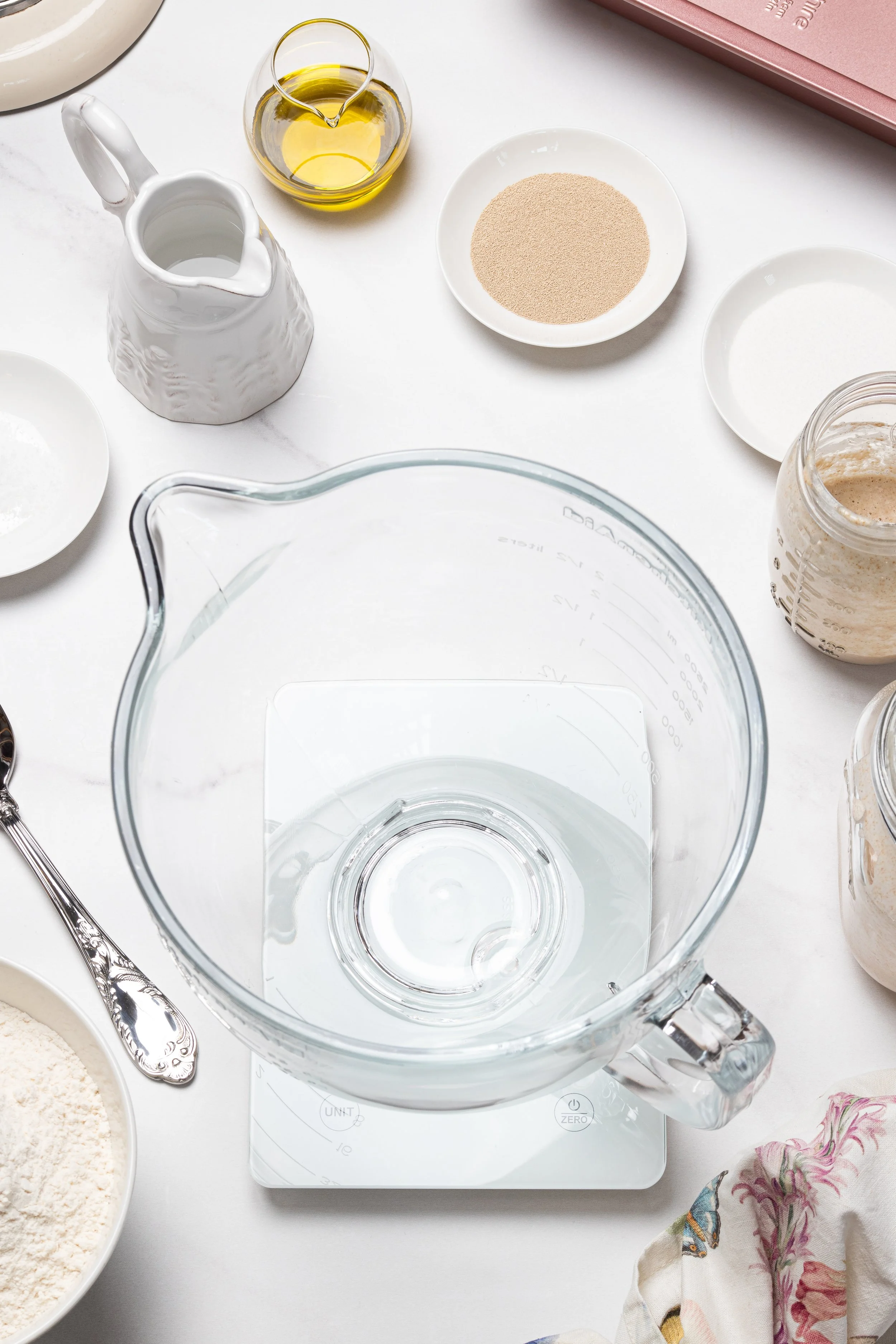
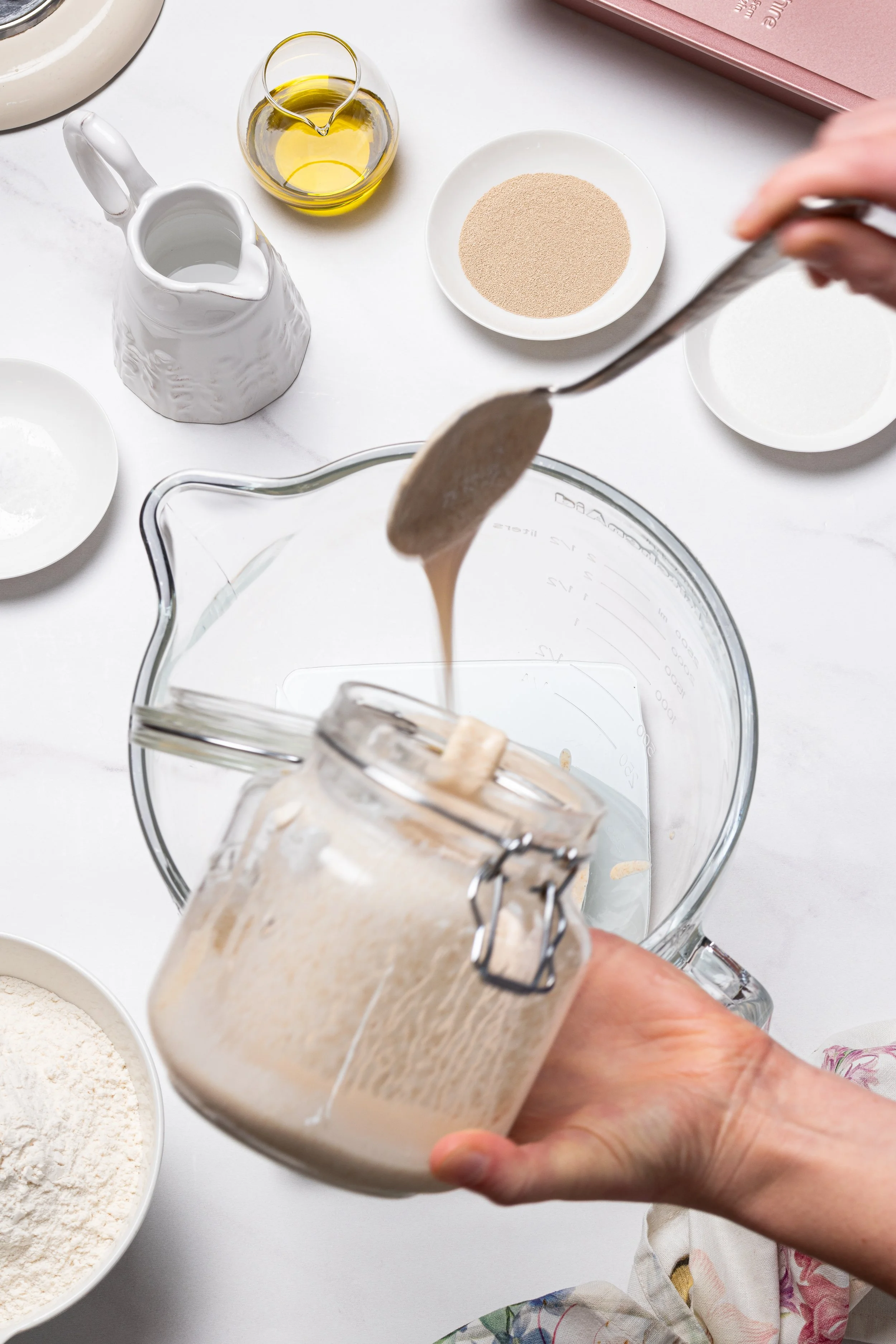
1. Measure the discard (150g/½ cup), water (185g/¾ cup) and yeast (8g/1 sachet) into a large mixing bowl and combine briefly using a spoon.
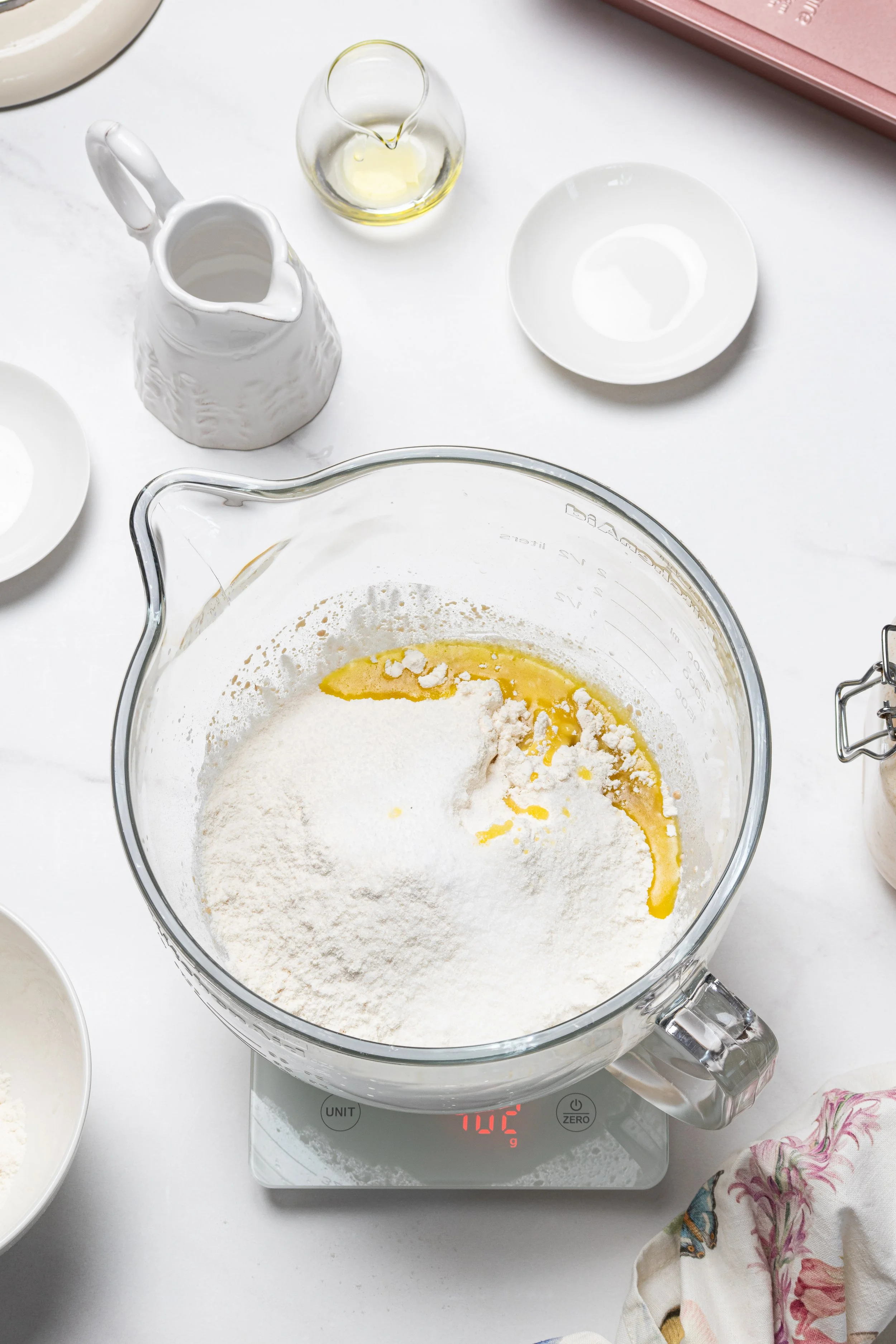
2. Add the bread/high-grade flour (350g/2+⅓ cup) on top followed by the caster sugar (2 tablespoons), olive oil (2 tablespoons) and salt (2.5ml/½ teaspoon).
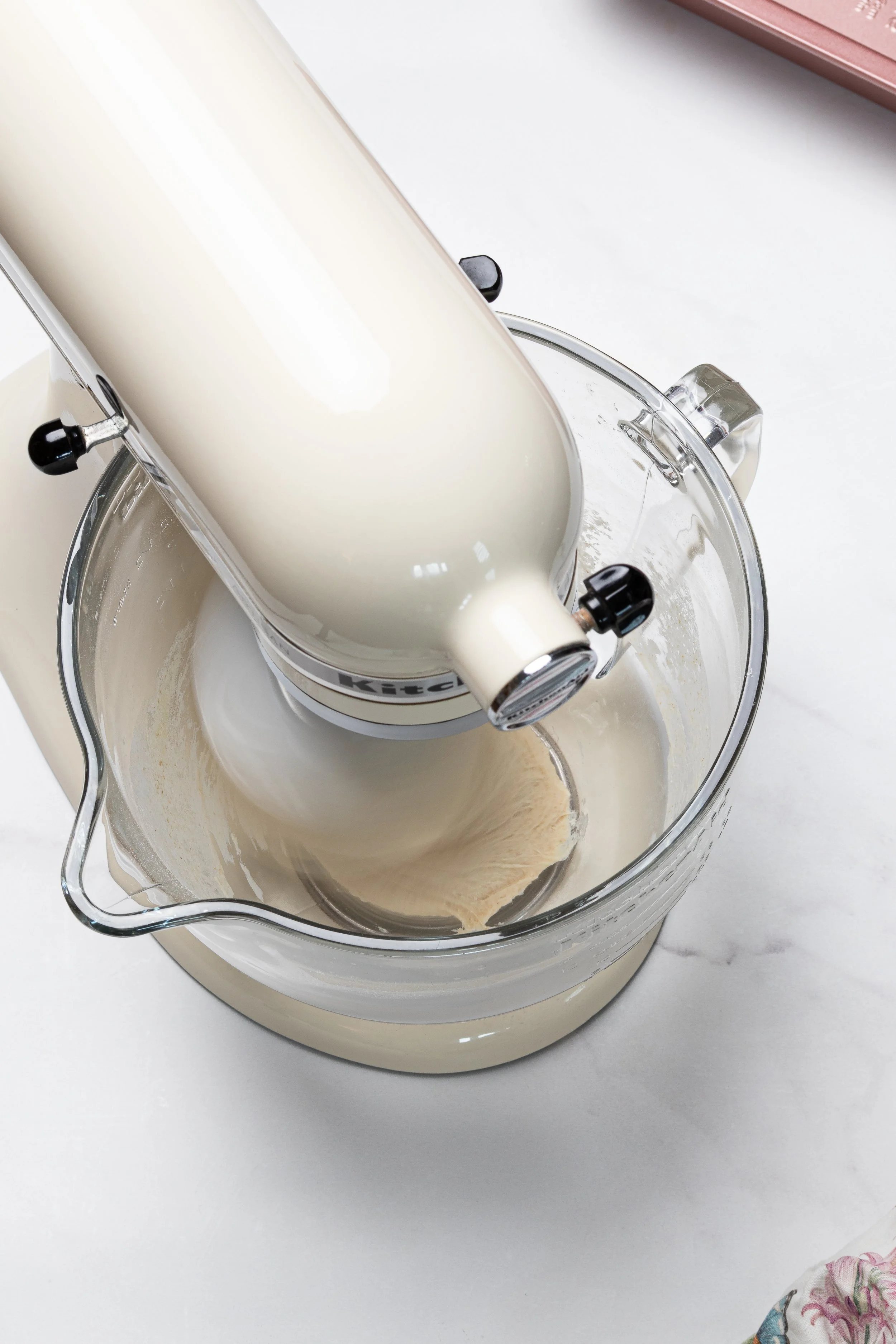
3. Mix using a dough hook (on a slow speed if you have a free-standing electric mixer) or by hand until the dough comes together.
4. Continue kneading for 3 - 5 minutes until the dough is elastic.
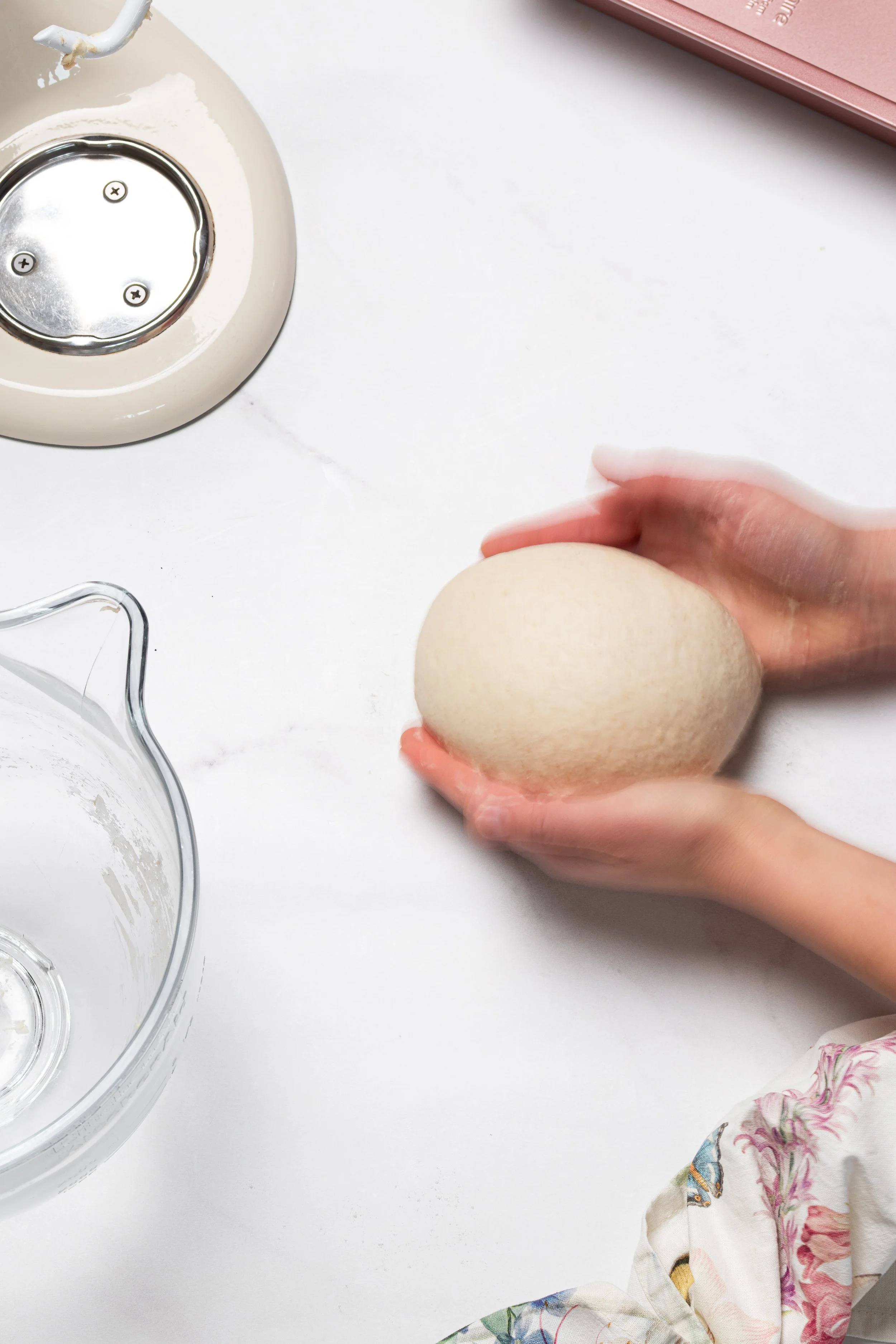
5. Once the dough feels elastic (and a bit less sticky), remove the dough hook and shape it into a ball.
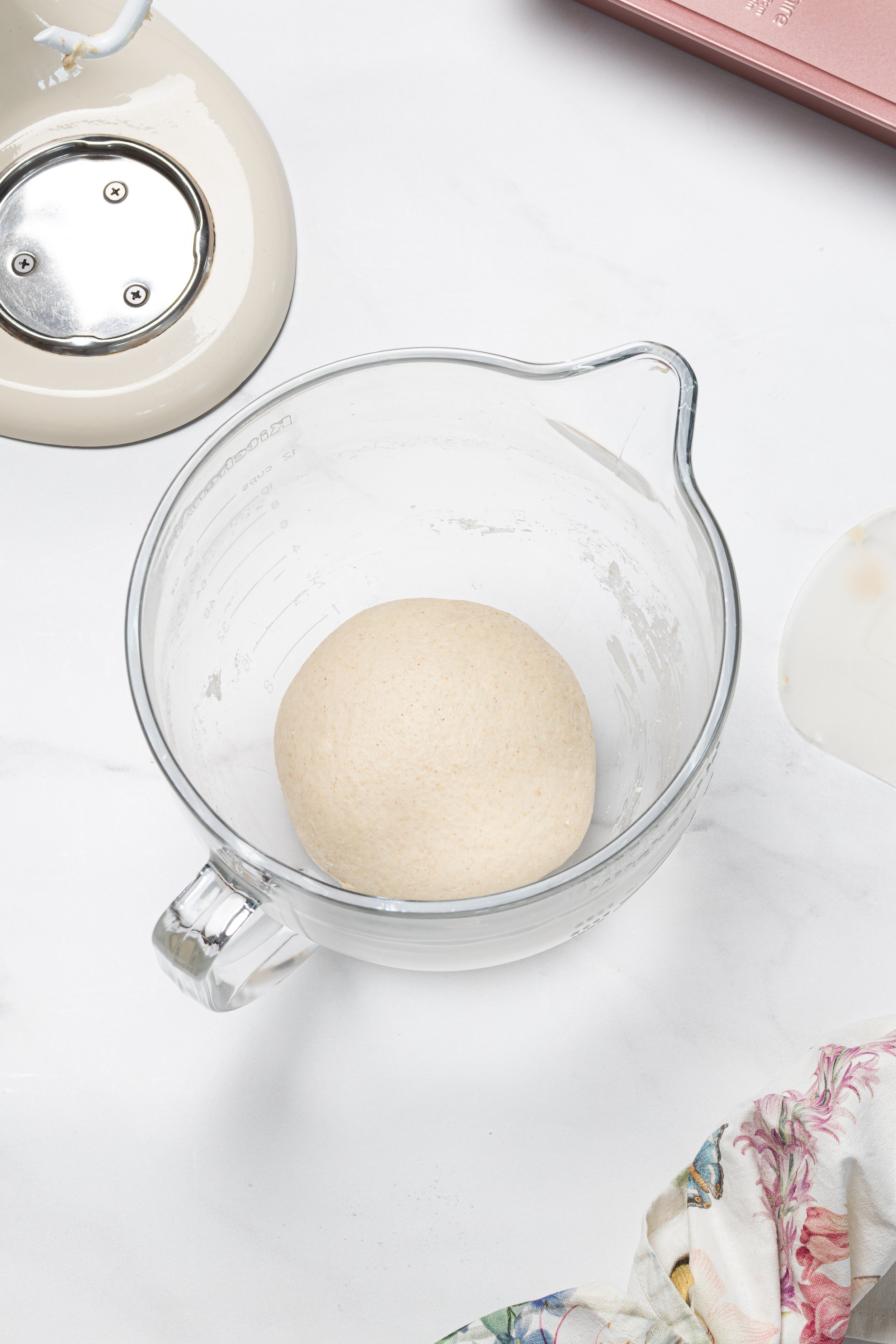
6. Place the dough back into the bowl and leave it to prove covered by a tea towel.
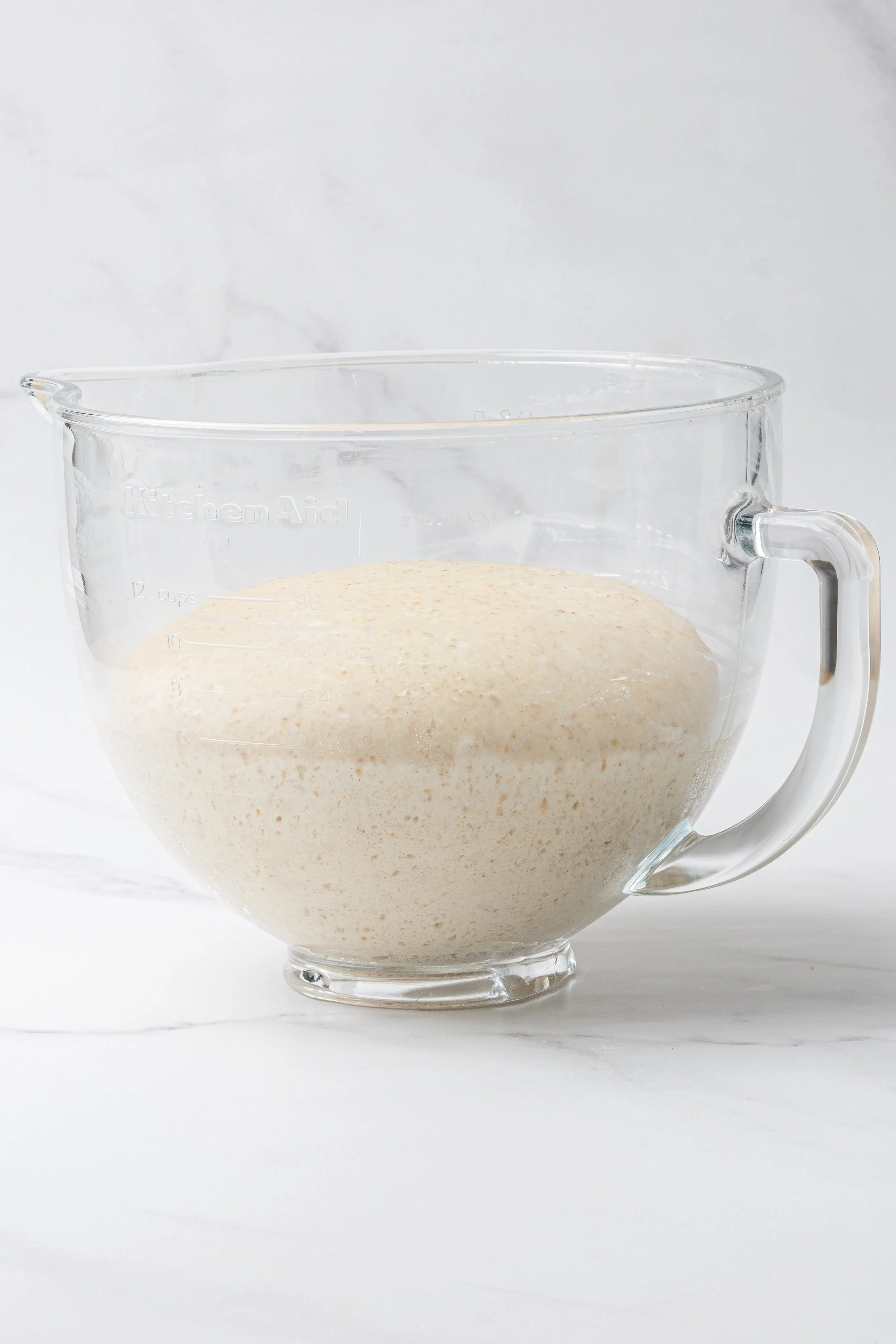
7. Once the dough has doubled in size (about 1 - 2 hours depending on the room temperature) dust a clean work surface with a little extra flour and remove the dough from the bowl using a dough scraper if you have.
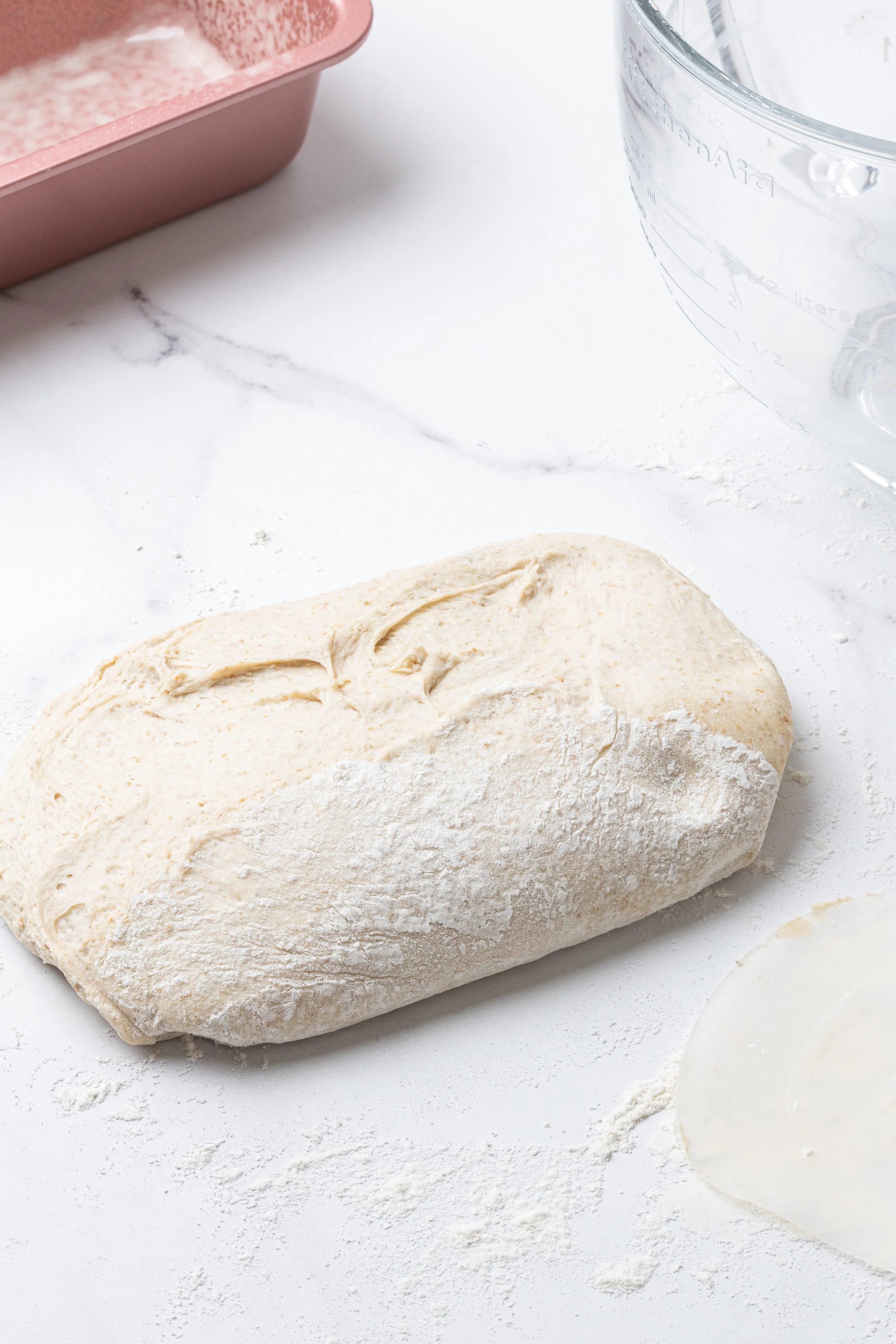
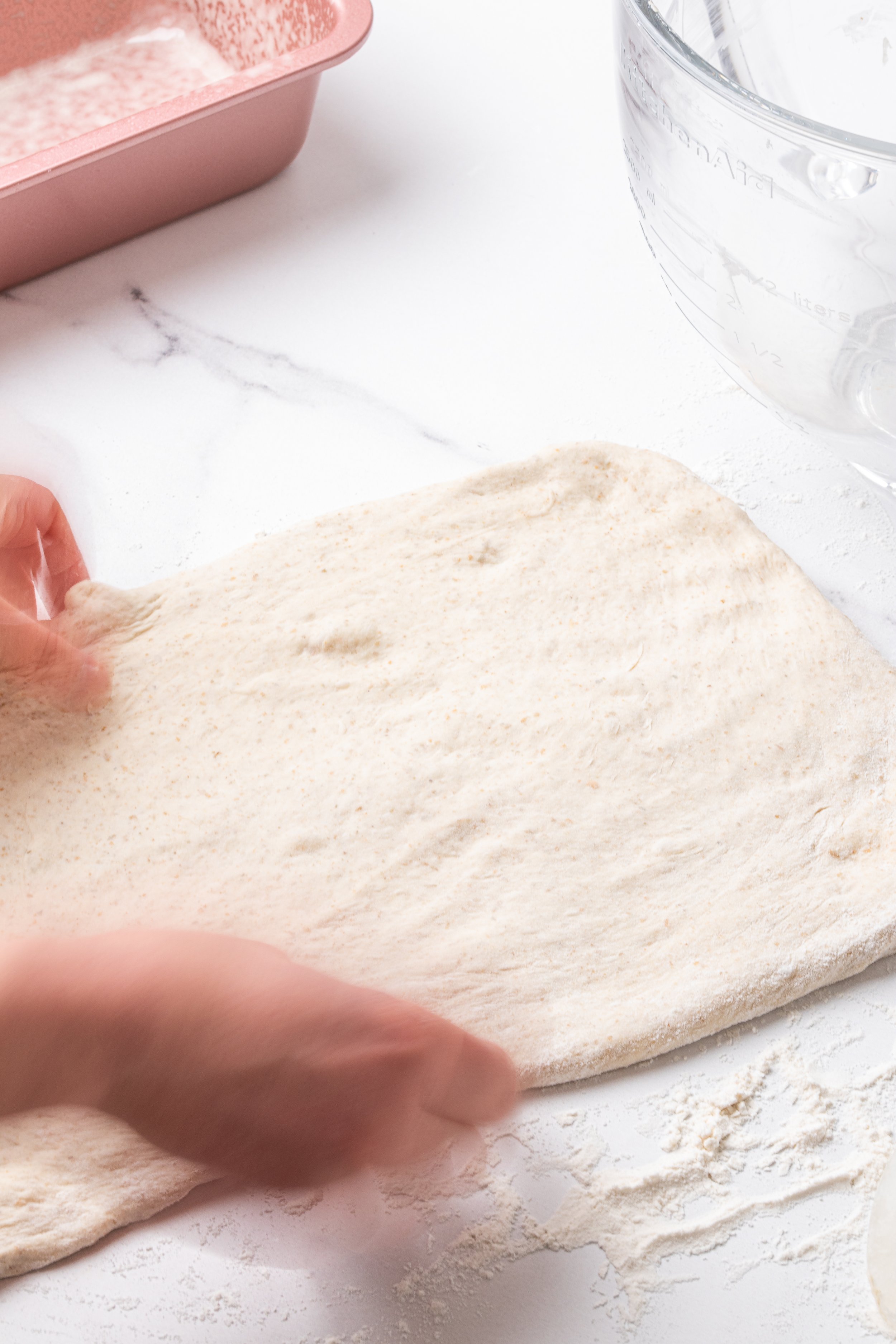
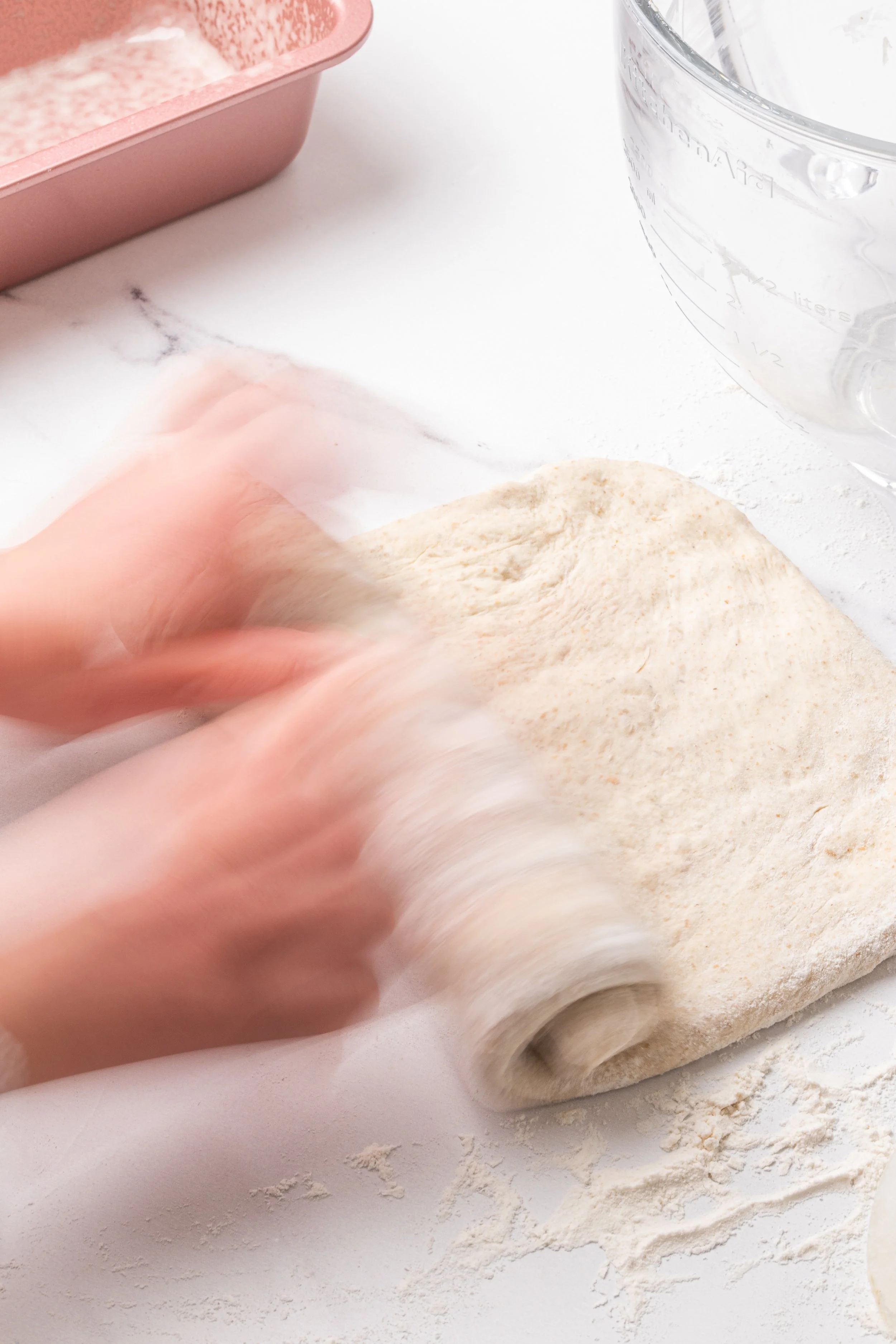
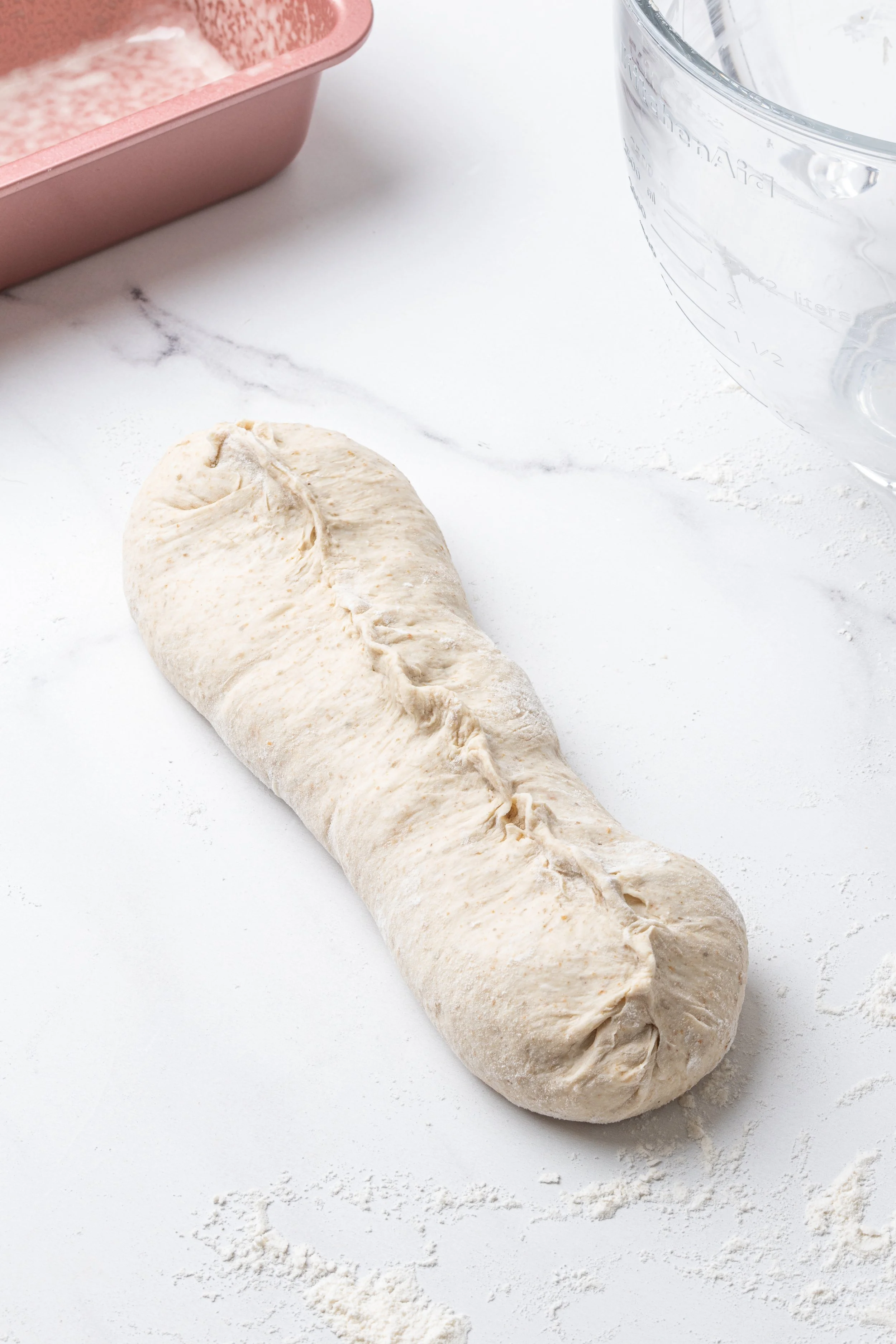
8. Flatten the dough with your hands into a rectangle then roll it up into a spiral (like when making cinnamon scrolls). Tuck in the ends, pinch the seam (with floured hands) and place the log shaped dough into a greased loaf tin (seam side down).
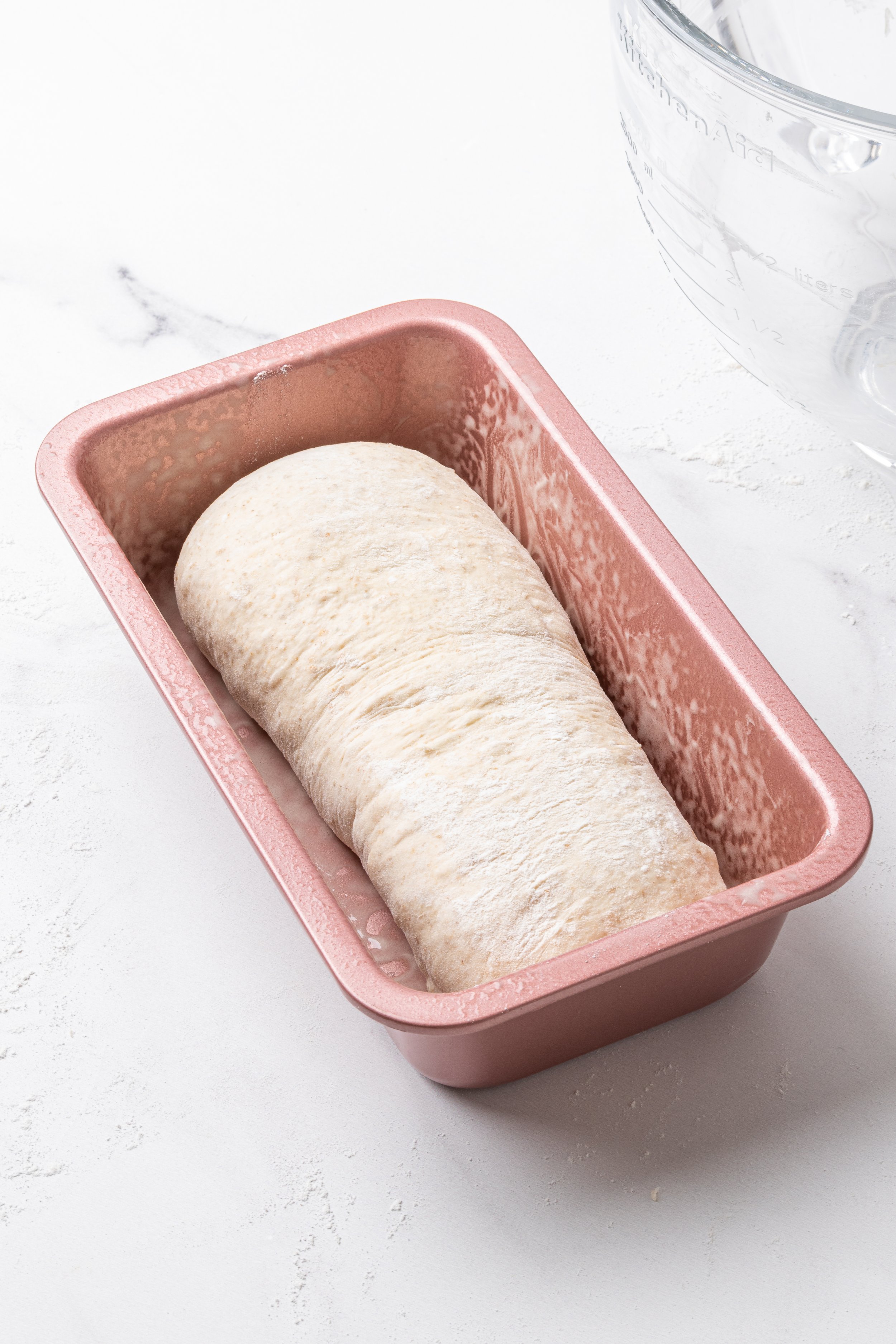
9. Leave the dough to prove again in the tin covered with a clean tea towel until about double in size (about 30 minutes to 1 hour, depending on the room temperature). You will know when it is ready to bake when it leaves a slight dimple when you gently poke it. If it leaves no dimple, it needs a bit more time to prove.
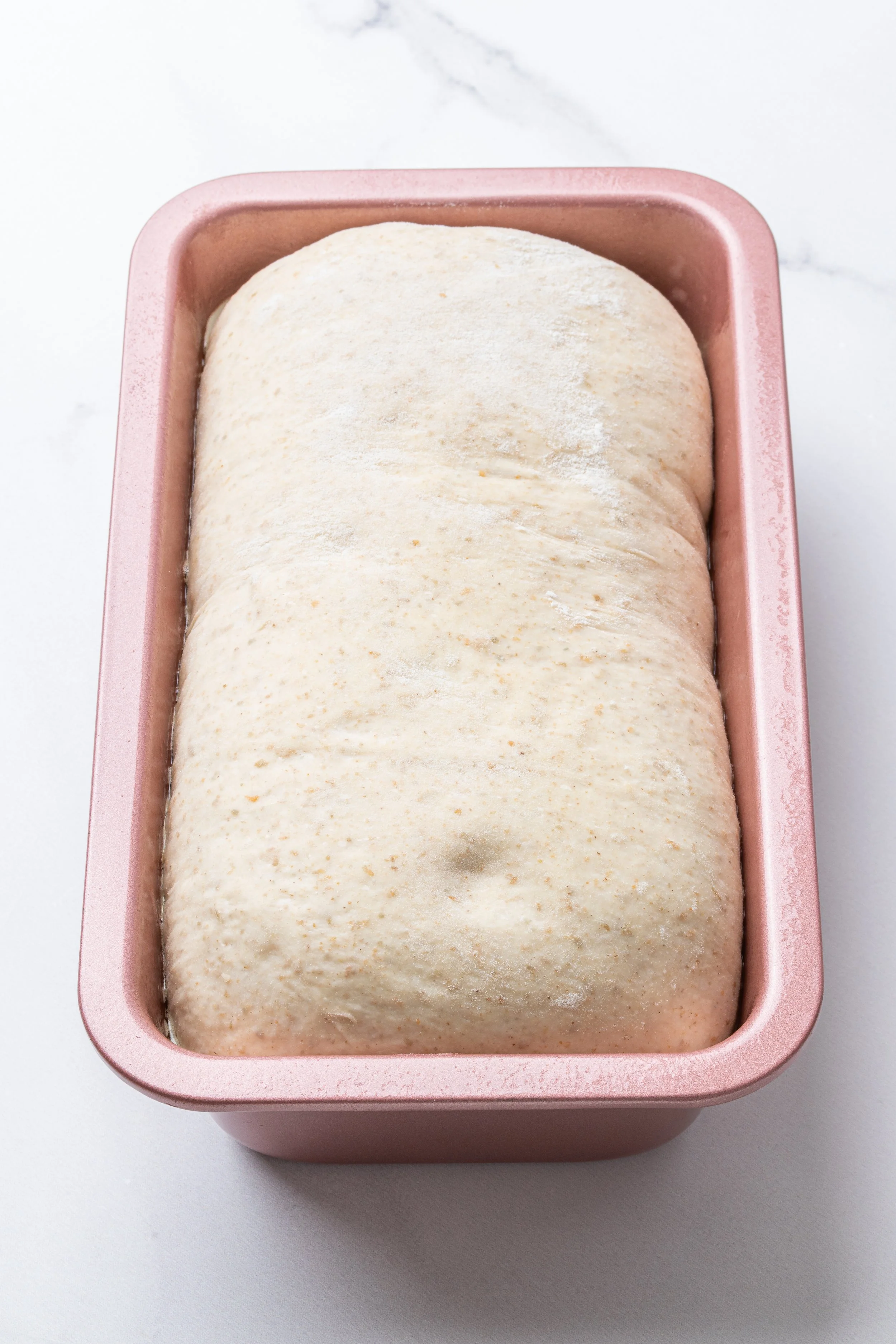
10. Once proved, preheat the oven to 200°C (180°C fan).
11. Bake the loaf for about 30 - 35 minutes until a deep golden colour.
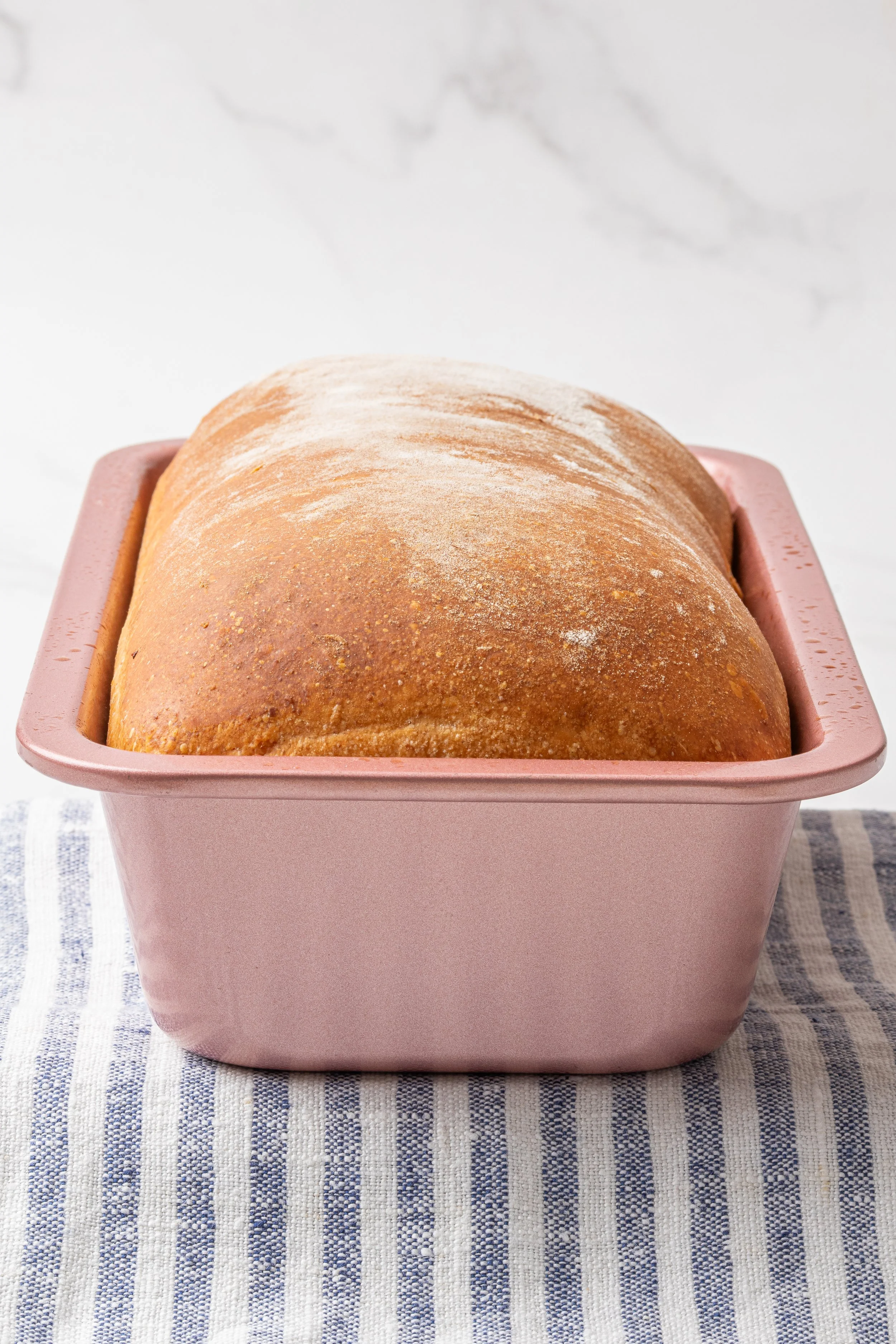
12. Remove the tin from the oven and turn the bread out onto a wire rack to cool (to prevent the crust from steaming and becoming soggy.
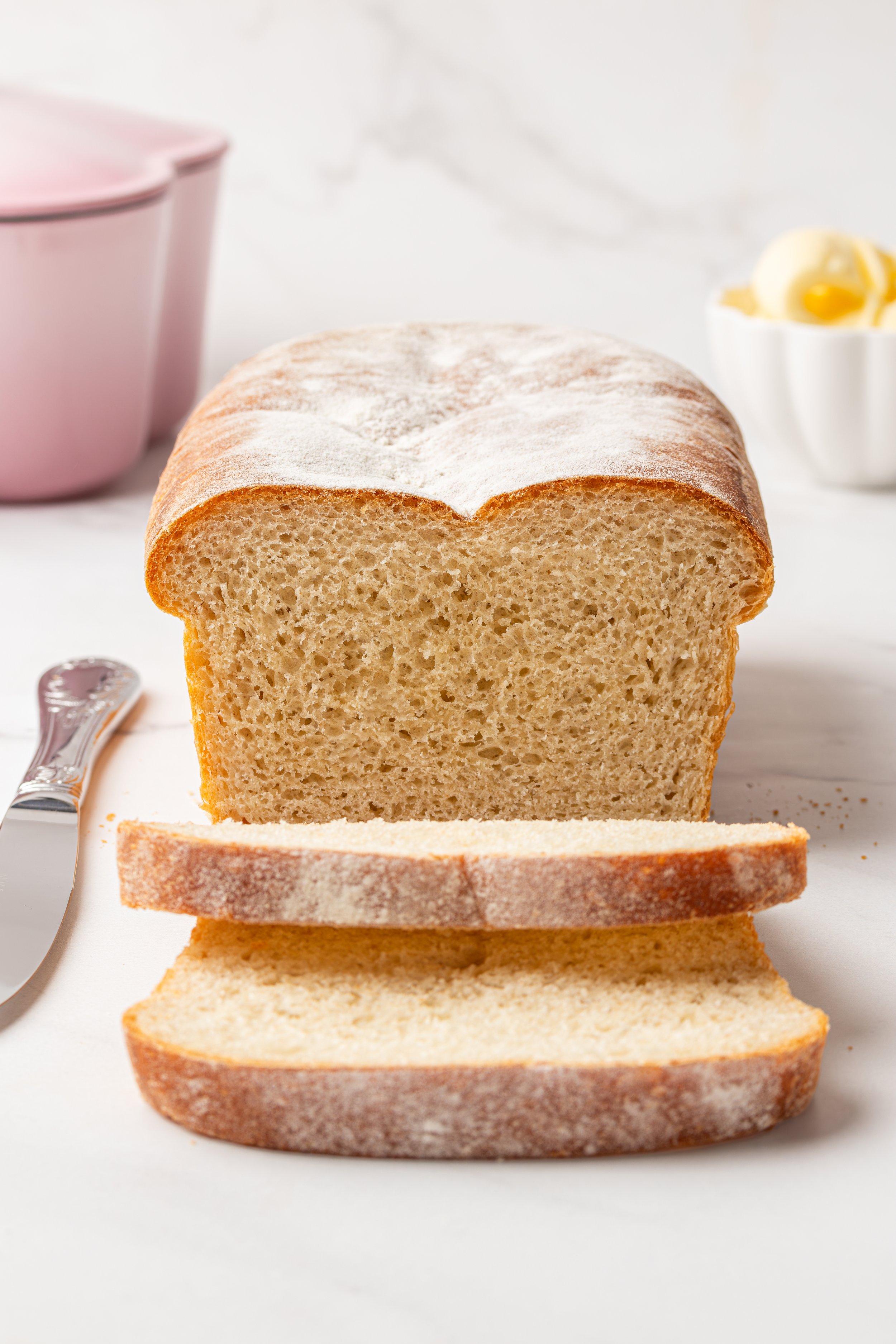
13. Allow the bread to cool slightly before slicing.